Watercolor Floral Clipart for Embroidery Projects
If you're an embroidery designer or a creative entrepreneur diving into the world of handmade products, you know that choosing the right design is half the battle. Watercolor Floral Clipart caught my eye as a digital illustration with soft edges and a dreamy aesthetic—perfect for adding a touch of elegance to custom items. But how does it translate from screen to stitch? Let’s take a closer look.
A First Glance: Mood and Visual Personality
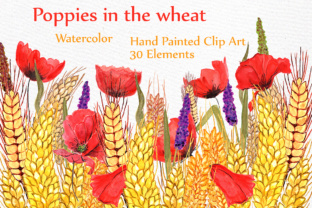
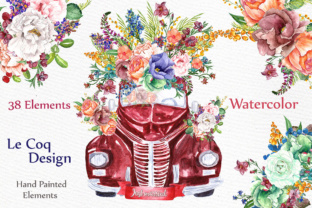
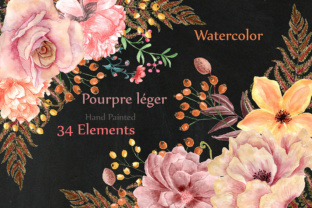
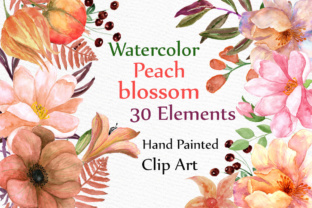
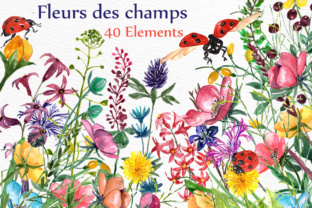
Right off the bat, Watercolor Floral Clipart feels like something pulled from a vintage botanical sketchbook. The brushstrokes are gentle, the colors are layered and translucent, and there's a certain charm in the way the petals seem to bleed into one another. This isn’t your typical vector-based embroidery design—it brings a softer, more artistic feel to the table.
The layout is open, which gives it a lot of flexibility. It doesn’t scream for attention but instead invites the viewer to lean in and appreciate its subtlety. That makes it ideal for personalized gifts, boutique branding, or any project where you want the design to complement rather than dominate.
Best Suited For
- Tote bag designs with a whimsical edge
- Sweatshirt embroidery for cozy, seasonal collections
- Baby embroidery projects needing a delicate motif
- Embroidered patches for fashion-forward accessories
- Nursery decor and holiday gifts with a handcrafted vibe
Real-World Application: What Works and Why
I recently used Watercolor Floral Clipart on a custom embroidered sweatshirt for a client who runs a small wellness shop. They wanted their brand logo paired with a floral element that felt organic and not too graphic-heavy. After testing the design on scrap fabric, I stitched it onto a gray sweatshirt using a light stabilizer and found the results stunning.
The satin stitch along the stems gave a nice sheen without being overwhelming, while the fill stitch in the flower centers held up well on a medium-weight cotton blend. The soft gradients translated beautifully into subtle variations in thread color, making the flowers look almost painted by hand. Customers were drawn to the piece at first glance—it had just enough detail to stand out but still felt approachable and elegant.
For handmade product lines, this design adds visual appeal without complicating production. It works especially well on pillow covers and tea towels, where the gentle style can shine against natural fibers. As an Etsy seller, I appreciated how it made my listings pop when paired with lifestyle-style printable mockups. Buyers could instantly picture the design on their own goods, boosting engagement and sales.
Where to Use With Caution
While Watercolor Floral Clipart has a lot going for it, it’s not a one-size-fits-all solution. If you’re working with thin or stretchy fabrics, the fine details might distort during stitching. Similarly, dark fabric backgrounds can mute the watercolor effect unless you use high-contrast thread colors.
Small hoop sizes are also tricky. The intricate shapes may lose clarity if forced into tight spaces. I’ve seen similar designs struggle when applied to caps or patches under 4 inches. Always check the stitch density before committing to a final product.
Another thing to consider is product durability. Since the design leans toward decorative over structural, it might not be the best choice for garments that need frequent washing, such as baby clothes or aprons used in kitchens. You’ll want to ensure the thread colors and stabilizer you choose are appropriate for long-term wear.
Designer Tips for Success
- Test on scrap fabric before moving to the final piece. Fabric texture and tension play a big role in how the design looks post-stitching.
- Check thread color contrast against your chosen background. Even if the clipart looks great digitally, it might fade or clash in real life.
- Review stitch density—especially in areas with fine lines or overlapping petals. Too much density can ruin the soft, flowing feel of the design.
- Confirm the hoop size needed. Some versions of these illustrations may require larger hoops to maintain detail integrity.
- Inspect small details in the embroidery file—like tiny leaves or petal edges. These can easily get lost or misaligned if not handled carefully.
- Try a black and white mockup to see if the design still holds visual interest without color. This helps determine whether the shape alone is strong enough for your product.
- Compare how the design appears on both light and dark fabric backgrounds. Sometimes a beautiful floral loses impact when placed on a darker material.
- Use the correct stabilizer for your fabric type. A lightweight tear-away may work for quilting cotton, but woven or textured fabrics will likely need more support.
- Always confirm licensing if you plan to sell the finished item or include it in commercial embroidery projects. Not all clipart is created equal when it comes to usage rights.
Customer Reactions and Market Value
From a business perspective, Watercolor Floral Clipart elevates the perceived value of a product. When I used it on a line of custom apparel for a boutique client, they reported a noticeable increase in customer inquiries and repeat purchases. The design added a sense of professionalism and brand consistency, aligning perfectly with their aesthetic.
As a craft business owner, I've noticed that customers respond positively to the handmade presentation that this design offers. Whether it’s a personalized gift or part of a small shop product, the watercolor style signals quality and care. People tend to associate that kind of look with artisanal craftsmanship, which builds customer trust.
Giftability and Recognition
These designs have excellent giftability. They fit naturally into holiday themes and special occasions, like weddings or birthdays, without feeling overly commercial. I’ve used them on embroidered pillows and kitchen towels, and they always received warm feedback for their “homey” and “thoughtful” appearance.
They also help with design recognition. Because of their unique style, they stand out in crowded Etsy shops and craft fairs. Customers remember them, which means better buyer engagement and potential word-of-mouth promotion.
Final Thoughts for the Busy Designer
Overall, Watercolor Floral Clipart is a versatile and visually appealing option for many embroidery projects. Its artistic flair works well for machine embroidery designs that aim to evoke emotion and tell a story through subtle beauty.
But don’t fall into the trap of assuming it will work flawlessly everywhere. Take time to test, adjust, and tailor the design to your specific needs. Pay attention to how it interacts with different applique techniques, and make sure it fits the visual personality of your brand or product.
If you're looking for a design that brings warmth and sophistication to your finished product, then this illustration could be a great addition to your collection. Just remember: the key to success lies in thoughtful application and realistic expectations.