Reviewing Watercolor Llama Clipart for Embroidery Projects
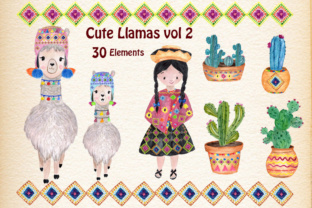
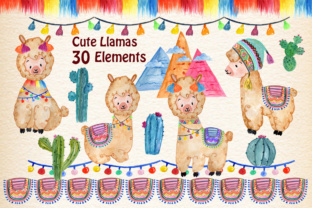
When I sit down to evaluate a new digital asset for my embroidery studio, I am rarely looking at it as just a pretty picture. I am looking at it as a blueprint for stitches. The transition from a vector or raster illustration to a tangible, stitched product is where most designs either shine or fail. Today, I am putting Watercolor Llama Clipart through its paces to see if it holds up under the needle, or if it remains strictly a digital decoration.
The world of Illustrations is saturated with animal motifs, but llamas have carved out a specific niche in the handmade market. They evoke feelings of whimsy, calm, and bohemian charm. My goal here is to determine whether this specific clipart style translates well into a physical embroidery project that a customer would be proud to wear or display.
First Impressions: Mood and Visual Personality
The moment you load this design file into your digitizing software, the watercolor aesthetic jumps off the screen. Unlike rigid geometric shapes or harsh line art, this piece has soft edges, blended gradients, and a painterly feel. For an embroiderer, this presents both an opportunity and a challenge. The mood is undeniably gentle and inviting. It screams "nursery decor," "brunch tote," or "cozy sweatshirt."
Visually, the subject is clear. The llama’s shape is distinct, which is crucial for recognition in small formats. However, the watercolor style relies heavily on subtle color shifts rather than hard outlines. In a finished product, this means the design will look softer and more organic than a traditional cartoon-style embroidery. It feels less like a logo and more like a piece of wearable art. This elevates the perceived value of the handmade product, making it suitable for boutique branding where customers are willing to pay a premium for uniqueness.
Real-World Application: Where Does It Fit?
I often imagine how a design will look before I even cut the fabric. Here is where I see Watercolor Llama Clipart succeeding in the current market:
- Custom Apparel: On a high-quality cotton sweatshirt or a heavyweight t-shirt, this design works beautifully. The soft colors contrast nicely against neutral tones like oatmeal, sage green, or dusty pink. It fits the current trend of comfortable, expressive loungewear.
- Baby Items: This is perhaps the strongest use case. A onesie, burp cloth, or baby blanket featuring this clipart feels tender and safe. Parents love personalized gifts that aren't overly loud or aggressive in their design. The gentle curves of the llama translate well to baby embroidery.
- Tote Bag Design: Canvas totes are a staple for the Etsy seller. Placing this design centrally or as a repeating pattern on a canvas bag creates a chic, artistic vibe. It appeals to students, artists, and anyone who appreciates a touch of whimsy in their daily carry.
- Kitchen Textiles: Tea towels and aprons are excellent candidates. The watercolor style adds a homey, rustic charm that complements farmhouse or modern farmhouse interiors. It makes a great holiday gift or housewarming present.
- Embroidered Patches: If bordered properly, this design could work as an iron-on patch for denim jackets or backpacks. It adds personality without being too bulky.
However, not every surface is created equal. While it looks great in mockups, the reality of stitching requires careful consideration of the substrate.
Technical Challenges and Stitch Performance
As a designer, I have to be realistic about what the machine can actually execute. The watercolor effect in the source image is achieved through digital blending. In embroidery, we replicate this using varying thread colors, stitch direction, and density. Here is where things get tricky:
Small Hoop Sizes: If you attempt to digitize this for a very small hoop (under 3 inches), you risk losing the essence of the design. The soft gradients may become muddy or pixelated if the stitch count is too low. Conversely, if you over-digitize to capture every nuance, you might create a stiff, heavy patch that doesn’t drape well on fabric.
Textured and Stretchy Fabrics: This is a critical warning. Watercolor designs rely on smooth surfaces to show off their color transitions. Stitching this onto a thick, textured fleece or a highly stretchy jersey knit can distort the fine details. The fabric movement can cause the stitches to pucker or shift, ruining the delicate balance of the design. Always use a proper stabilizer—likely a cut-away for stability—to prevent distortion.
Dense Stitch Areas: To achieve the "filled" look of the watercolor, you will likely need a mix of fill stitch and satin stitch for outlines. Be mindful of stitch density. Too much thread in one area creates bulk; too little leaves the backing visible. You must test the thread colors carefully. Dark threads on dark fabric will disappear, while bright threads on light fabric might look harsh if not balanced correctly.
Design Notes for the Professional Digitizer
If you are planning to turn this digital embroidery file into a commercial product, here is my practical advice based on years of testing:
- Test on Scrap Fabric First: Never go straight to your final garment. Stitch the design on the exact type of fabric you plan to sell. Check how the fabric texture interacts with the thread sheen.
- Check Black and White Mockups: Convert the design to grayscale in your software. This helps you identify areas where the stitch density might be too uniform or where contrast might be lost. It ensures the design has structure beyond just color.
- Inspect Small Details: Look closely at the eyes, nose, and ear tips. These tiny elements are often the first to get lost in translation. You may need to add a simple running stitch or a satin outline to define these features clearly.
- Compare Light and Dark Backgrounds: Test the design on both white and black fabric. The watercolor palette may need adjustment depending on the background. You might need to add a light underlay or a contrasting border to make the colors pop on darker materials.
- Confirm Licensing: Before you list this as a commercial embroidery item or sell digital files, double-check the license terms of the original Illustrations package. Some clipart allows personal use only, while others permit commercial sales of finished goods. Protect your business by verifying these details.
Final Verdict: Is It Worth the Effort?
Overall, Watercolor Llama Clipart is a strong candidate for designers looking to add a touch of elegance and whimsy to their catalog. It is not a high-energy, bold graphic; it is a soft, sophisticated choice that resonates with buyers who value aesthetics and craftsmanship.
It works best when paired with quality fabrics and thoughtful digitization. If you treat it with respect—paying attention to stitch density, stabilizer choice, and thread selection—you can create a finished product that stands out in a crowded market. It is ideal for the craft business owner who wants to offer unique, personalized gifts that feel special.
For the small shop product line, this design offers versatility. It can be adapted for apparel decorators looking for seasonal items, or for makers creating digital product previews for print-on-demand services. Its broad appeal means it has a long shelf life, particularly around holidays and gift-giving seasons.
In conclusion, while it requires a bit more technical finesse than a simple icon-based design, the payoff in visual appeal and customer trust is significant. It transforms a standard embroidery job into a curated art piece. Just remember: the magic isn't just in the clipart; it's in how you bring it to life with thread and technique.