Floral Watercolor Clipart: A Design Review for Real Embroidery Projects
As an embroidery designer with years of experience, I always take a moment to evaluate new design assets like Floral Watercolor Clipart before incorporating them into client projects or my own handmade goods. This isn’t just about aesthetics—it’s about performance, practicality, and how the final product will be received by customers. Let me walk you through my thought process when considering this design for real-world use.
First Impressions: Mood and Visual Personality
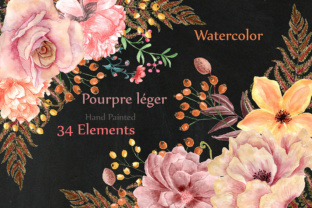
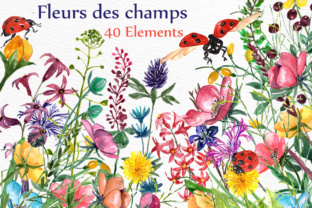
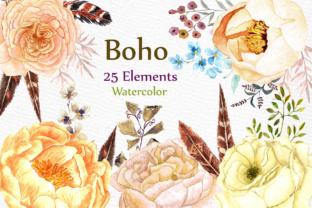
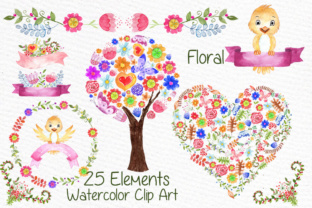
The Floral Watercolor Clipart immediately gives off a soft, artistic vibe. It feels like it was painted rather than digitally drawn, which adds a unique charm that many machine embroidery designs lack. The gentle washes of color and flowing lines evoke a sense of elegance and whimsy—perfect for projects where you want to convey warmth and creativity without being too bold.
This design is well-suited for handmade products, especially those aimed at boutique-style brands, personalized gifts, or custom apparel with a touch of sophistication. Its layout suggests flexibility, so it can work as a standalone motif or be grouped together for more elaborate compositions.
Theme and Detail Level
The floral theme is classic but fresh, making it versatile across different demographics and product types. The level of detail is moderate; there are no overly intricate patterns that could complicate stitching, but enough visual interest to stand out on fabric. It avoids being too busy, which is a big plus for embroidered patches, tea towels, or even baby items where subtlety is key.
Real-Life Use in Custom Embroidery Projects
I recently used Floral Watercolor Clipart on a custom embroidered sweatshirt for a client who wanted something that felt both modern and timeless. The design translated beautifully onto cotton-blend fabric with a light background. When stitched using satin stitch outlines and a few fill stitches, the watercolor effect remained soft yet defined. Customers loved how it looked—like a piece of art subtly embedded into clothing.
- Tote Bag Design: Ideal for tote bags, especially if paired with minimalist text or branding. The design doesn’t overwhelm the fabric and complements natural textures like linen or canvas.
- Baby Embroidery: The pastel tones and gentle shapes make it a safe bet for baby clothes or nursery decor. It adds a sweet, artistic flair without being garish.
- Holiday Gifts: For seasonal items like ornamented pillows or aprons, the design fits perfectly into holiday-themed collections. It works especially well during spring or summer seasons due to its lighter palette.
- Etsy Listings and Boutique Branding: As a digital embroidery file, it helps small shop owners and Etsy sellers create cohesive, high-quality listings. When used in printable mockups, it looks professional and instantly elevates the perceived value of the finished product.
Commercial Embroidery Considerations
If you're an embroidery designer looking to offer this as part of your commercial design offerings, the Floral Watercolor Clipart has strong potential. It's suitable for custom apparel lines, sweatshirt embroidery, and even commercial embroidery projects that require a softer aesthetic. However, I recommend testing it on actual samples from your target fabric range before offering it as a guaranteed option.
Where to Use with Caution
While the Floral Watercolor Clipart is beautiful, not every project is a perfect match. Here are some scenarios where I'd suggest extra attention:
- Small Hoop Sizes: If you plan to shrink the design significantly, the subtle details may get lost. Always check how the embroidery file scales and adjust accordingly.
- Textured Fabrics: On fabrics like denim or flannel, the watercolor effect might appear muddier. Testing with appropriate stabilizers and thread colors is essential.
- Stretchy or Thin Fabrics: These materials can distort delicate stitch areas, especially if the design includes fine running stitch elements. Consider reinforcing with cutaway stabilizer.
- Dark Fabric Backgrounds: The muted tones of the clipart don't pop as much on darker substrates. In such cases, white or cream-colored thread can help maintain clarity and visual appeal.
- Curved Surfaces (e.g., Caps): Curved surfaces challenge any design, but the fluid nature of the flowers makes it possible—if you adjust the hoop size and test stitch tension carefully.
- Frequent Washing: If the design will be on items like kitchen towels or baby clothes, ensure the threads and stabilizers used are durable and colorfast.
Design Impact on Product Value and Customer Perception
Using Floral Watercolor Clipart can elevate the visual appeal of your handmade product. It adds a sense of professionalism and care, which increases customer trust and buyer engagement. For personalized gifts, this design brings a handcrafted feel that mass-produced alternatives often miss.
In terms of brand consistency, this illustration style supports a clean, artistic identity. It’s recognizable and aligns well with indie, lifestyle, and wellness-focused craft businesses. The softness of the design also enhances the giftability factor, especially for special occasions like weddings or holidays.
Recognition and Professionalism
When applied correctly, the design contributes to the overall recognition of your small shop product. Clients tend to remember pieces with unique, hand-painted visuals. That said, keep in mind that while the design is elegant, it should still be tested in black-and-white mockups to ensure it remains legible and appealing under all lighting conditions.
Designer Notes: Practical Tips for Best Results
Before jumping into production, here are a few things I always do when working with Floral Watercolor Clipart:
- Test on Scrap Fabric First: Especially if you’re planning to use it on textured or stretchy materials. This allows you to catch issues with stitch density or distortion early.
- Check Thread Color Contrast: Since the design uses soft hues, thread selection is critical. Test a few combinations to find what works best for your fabric and desired look.
- Review Stitch Density: Some areas may need less dense fills to avoid puckering, particularly on thinner or looser weave fabrics.
- Confirm Hoop Size: Make sure the hoop you plan to use is large enough to accommodate the design comfortably. Don’t forget to leave room for seam allowances or additional text if needed.
- Inspect Small Details: Zoom in on the embroidery file to see how the design handles corners, edges, and gradients. These details matter when scaling down for smaller items like patches or caps.
- Use Proper Stabilizer: Depending on the fabric type, choose between tear-away, cutaway, or wash-away stabilizers to prevent shifting or distortion during stitching.
- Confirm Licensing: Before selling finished items or including the design in digital product previews, always verify whether the licensing allows for commercial use. This protects your business and maintains legal integrity.
Final Thoughts: A Thoughtful Addition to Your Design Toolkit
Floral Watercolor Clipart isn’t a one-size-fits-all solution, but when used appropriately, it brings a level of artistry that resonates with customers. Whether you're an apparel decorator, Embroidery designer, or creative entrepreneur, consider this design for projects where you want to add a personal, artistic touch without overwhelming the viewer.
Remember, the beauty of machine embroidery design lies in how it translates from screen to fabric. So take your time, test thoroughly, and let the design shine in the right context. With the right preparation, Floral Watercolor Clipart can become a staple in your collection of design assets for illustrations and beyond.