Watercolor Floral Clip Art for Embroidery Projects
As an experienced embroidery designer and product reviewer, I often find myself evaluating digital design assets not just for their visual appeal, but for how they translate into real-world stitched projects. When it comes to Watercolor Floral Clip Art, there’s a lot to consider before committing to a production run or adding it to your Etsy listing. Let’s dive into what makes this design unique, where it shines, and where you might need to tread carefully.
First Impressions: A Delicate, Timeless Vibe
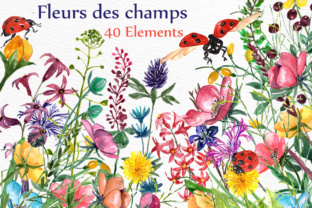
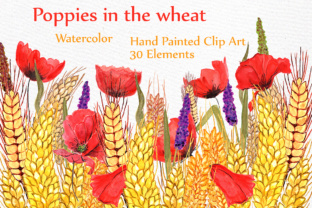
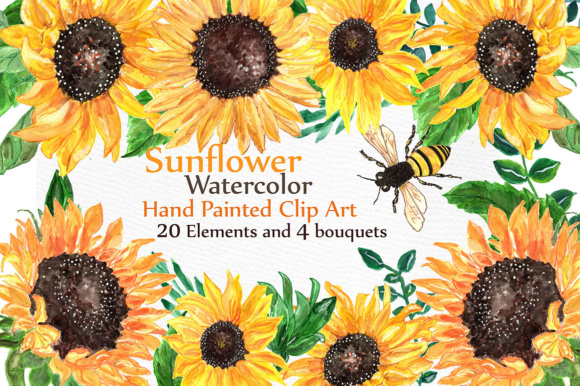
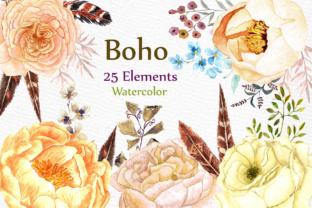
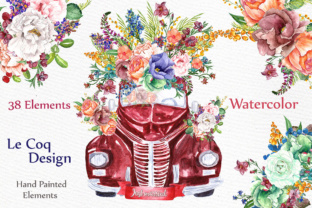
The moment I open the digital embroidery file for Watercolor Floral Clip Art, I’m greeted with soft, flowing petals and subtle washes of color that mimic traditional watercolor techniques. The overall mood is gentle and romantic—perfect for handmade products that aim to evoke warmth and artistry. The layout feels balanced yet organic, which suggests it was crafted with intention rather than being a generic template. This kind of visual personality works well for personalized gifts, boutique branding, and holiday embroidery where a more artistic touch is desired.
Themes and Visual Compatibility
Floral designs are a staple in the world of machine embroidery, but the watercolor style elevates them beyond typical floral motifs. It brings a sense of movement and fluidity, making it feel less rigid and more like a living brushstroke. This can be especially appealing when creating sweatshirt embroidery or tote bag design elements that need to stand out without overwhelming the fabric or garment. The theme naturally aligns with bohemian, minimalist, and vintage aesthetics, which are currently popular among craft businesses and Etsy sellers.
Real-World Application: Where This Design Excels
I recently tested the Watercolor Floral Clip Art on a custom embroidered sweatshirt for a small shop client. The design was used as a central motif on the chest area, paired with minimal lettering. The result? A beautifully soft and elegant look that stood out on a light gray fabric. Customers loved the delicate appearance, commenting on how it felt “more like art than embroidery.” That’s the mark of a successful design—it doesn’t just look good; it feels right.
- Custom Apparel: Works best on cotton blends or quilting cotton where the watercolor effect can breathe.
- Baby Clothes & Nursery Decor: The gentle aesthetic fits perfectly with pastel themes and personalized baby items.
- Tote Bags and Aprons: Adds charm without being too busy, ideal for everyday use and giftable items.
- Embroidered Patches: Can serve as decorative accents for jackets, denim, or even backpacks.
- Digital Product Previews: Great for printable mockups where the design needs to feel handcrafted yet modern.
Design Flexibility and Brand Consistency
One of the strengths of this embroidery project asset is its adaptability. Whether you’re working on a commercial embroidery piece for a boutique or a one-off personalized gift, the design maintains its character across different scales and placements. For small shop product lines, using consistent design elements like this helps build brand recognition and trust. Clients appreciate seeing a cohesive look that reflects quality and attention to detail.
Where to Use It Carefully
While Watercolor Floral Clip Art has a lot going for it, there are situations where it may not perform as expected. Here are some considerations based on my experience:
- Small Hoop Sizes: The intricate details may become lost if the hoop size is too limited. Always check the recommended dimensions or test on scrap fabric.
- Textured or Stretchy Fabrics: These can distort the flow of the design. A smooth, stable surface like cotton or linen will preserve the intended look.
- Dark Fabric Backgrounds: The subtlety of the watercolor effect is reduced on darker materials. You’ll need to experiment with thread colors to maintain visibility.
- Products That Need Frequent Washing: Dense stitch areas may pill or lose definition over time. Consider using a lower stitch density or reinforcing with a stabilizer for durability.
- Curved Surfaces (e.g., Caps or Hats): The design may require resizing or repositioning to fit properly. Test on a curved surface before finalizing any finished product.
Stitch Clarity and Thread Color Selection
When working with this embroidery file, I noticed that the line work is mostly composed of running stitches and satin stitches, with occasional fill stitch areas. While this adds to the softness of the design, it also means that contrast is key. If you're using it on a white or light-colored tote, the default thread colors should work fine. But if you're planning to use it on a navy sweatshirt, you'll need to adjust the palette significantly to ensure the flowers remain visible.
Thread color choices are critical here. Some versions of this design may come with pre-selected thread colors, but if not, you’ll want to choose shades that complement each other and enhance the watercolor illusion. Testing the design in black and white mockups can help you visualize how the stitch density and placement affect legibility and visual impact.
Practical Designer Notes for Real Project Use
Before jumping into a production batch or using Watercolor Floral Clip Art on customer-facing items, take these steps to avoid common pitfalls:
- Test on Scrap Fabric First: Especially important if you’re new to the design or unfamiliar with the thread combinations.
- Review Stitch Density: Too much stitch coverage can make the design stiff and unappealing. Opt for a lighter touch to keep it breathable and elegant.
- Confirm Hoop Size Requirements: If the design is large, you may need a bigger hoop than usual. Don’t assume—check the specs or test at scale.
- Inspect Small Details: Watercolor styles often include tiny brush strokes or subtle shading. Make sure these show up clearly after stitching.
- Use Proper Stabilizer: A tear-away or cut-away stabilizer can prevent puckering and help maintain the design's integrity, especially on stretchy fabrics.
- Check Licensing Before Selling: If you plan to use this in commercial projects or sell digital embroidery files, verify the licensing terms. Many free illustrations aren’t suitable for resale unless explicitly stated.
Customer Perception and Market Fit
From a business standpoint, this design can elevate the perceived value of your handmade product. As a craft business owner, I know that customers are drawn to items that feel unique and thoughtfully designed. The Watercolor Floral Clip Art offers that extra layer of sophistication, making it ideal for premium pricing in your craft fair products or Etsy listings.
However, it's not a one-size-fits-all solution. In environments where bold, graphic embroidery is preferred, such as athletic wear or outdoor gear, this design might not resonate as strongly. Its strength lies in softer, lifestyle-oriented products where aesthetics matter as much as function.
Final Thoughts: A Versatile Addition to Your Embroidery Toolkit
Watercolor Floral Clip Art isn’t just another illustration—it’s a design with depth and personality that can bring a refined edge to your embroidery projects. It’s particularly effective in custom apparel and personalized gifts, where the right visual tone can make all the difference. But remember, success depends on thoughtful application and testing.
So whether you're an embroidery designer looking to expand your creative repertoire or a small shop product creator aiming to add a signature touch to your offerings, this design deserves a place in your collection—if used wisely. Keep the practical notes above in mind, and you’ll be well on your way to crafting beautiful, professional-looking embroidered patches, holiday gifts, and more.