Watercolor Clipart for Real Crafting: A Designer’s Honest Review
As a seasoned crafter and handmade product designer, I've worked with countless graphic design assets over the years—SVG files, PNG illustrations, and everything in between. When I first saw Watercolor Clipart, I knew it had potential, but also that it would need to pass some real-world tests before I could confidently use it in customer orders or seasonal collections. Here's my honest take on how this illustration set performed in various crafting scenarios and what you should know before adding it to your handmade business toolkit.
A Soft, Artistic Vibe That Appeals to Many
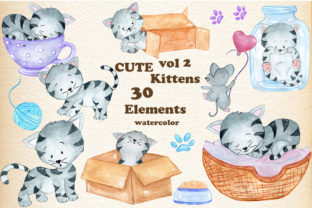
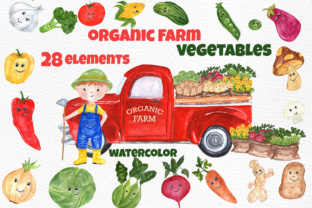
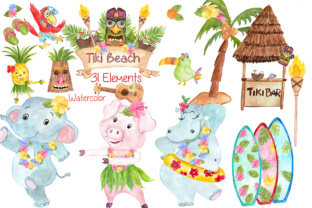
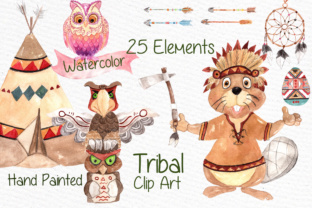
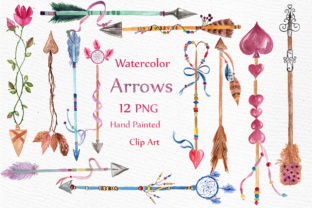
Watercolor Clipart immediately gives off a gentle, artistic feel. It's not bold or flashy, but rather elegant and cozy. The subtle textures and soft edges evoke a sense of whimsy and femininity, which makes it ideal for products targeting customers who love hand-painted aesthetics. This style is especially popular during the holiday season, for baby-related items, and among those who appreciate minimal yet decorative designs.
I found myself thinking about how this could work beautifully on gift tags, planner stickers, or even as part of an illustration-based greeting card collection. The mood it sets is perfect for someone running a small handmade shop looking to stand out with a personal touch.
Real-World Applications for Handmade Products
This asset isn’t just pretty—it works hard. Here are some of the ways I’ve successfully used Watercolor Clipart in actual projects:
- Cricut Project – I layered the clipart with text on a tumbler wrap using Cricut Design Space. The softness of the watercolor blended well with the clean lines of the vinyl.
- Silhouette Project – For a custom mug design, I resized the PNGs and overlaid them onto a mockup template. The result was a dreamy, hand-drawn look that felt authentic and artisanal.
- Sticker Design – These illustrations were great for making seasonal sticker bundles. They added charm without overwhelming the design.
- T-Shirt Design – Placed on a cotton tee, the watercolor elements gave a relaxed vibe, fitting for a cozy lifestyle brand or a print-on-demand line.
- Printable Wall Art – Used in a digital printable bundle, these illustrations helped create a calming gallery wall aesthetic for customers.
- Handmade Packaging – I incorporated smaller versions into gift box labels and thank-you cards, giving each item a cohesive, thoughtful finish.
Where Watercolor Clipart Shines
Some crafting applications really brought out the best in this design asset:
- Large Cut Files – The generous size of the illustrations allowed me to place them on tote bags and large mugs without losing clarity.
- Clean Printable Layouts – For digital planners and calendars, the transparency of the PNGs made it easy to layer them with other elements and backgrounds.
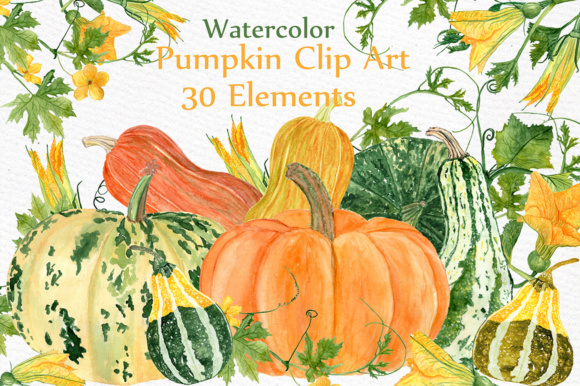
- Seasonal Craft Bundles – The illustrations felt right at home in fall-themed design bundles, especially when paired with leaves, pumpkins, and cozy typography.
- Gift Products – Whether on party favors or handwritten thank-you notes, the watercolor style enhanced the perceived value of the product.
- Decorative Accents – As secondary elements in larger designs, they added texture and visual interest without competing for attention.
- Personalized Items – The soft nature of the art made it feel more intimate and bespoke, which is a big plus for custom Etsy products.
- Product Mockups – When previewing designs for clients, the watercolor style stood out as fresh and creative, helping sell the idea of a handmade business offering unique goods.
When to Use Caution
While Watercolor Clipart has its strengths, there are areas where it might not be the best fit:
- Very Small Cutting Details – If your design requires intricate details (like tiny floral petals), the soft edges may not translate well in vinyl cutting or sublimation design.
- Thin Lines – The delicate brush strokes can become lost if scaled too small or printed on textured materials.
- Crowded Compositions – Too many overlapping watercolor elements can muddy the overall look. Simplicity is key here.
- Low-Contrast Colors – On dark fabrics or surfaces, the muted tones might not show up clearly unless adjusted carefully.
- Layered Vinyl Projects – Because of the soft outlines, layering multiple parts can lead to misalignment or loss of detail.
- Small Sticker Sizes – The style doesn’t hold up well when shrunk down. Always test it on the smallest scale you plan to use.
Technical Tips Before You Start Crafting
Before diving into production or listing it on your creative marketplace, I always recommend doing a few checks to ensure the graphic design asset will perform well:
- Test the File – Print it on a sample material to see how it looks. Especially important if you're selling customer orders or preparing for a craft fair.
- Check SVG Line Cleanliness – Make sure the vector paths are smooth and won’t cause issues when cutting with a Cricut or Silhouette.
- Preview PNG Transparency – Look at how the PNG layers interact with different background colors and textures.
- Confirm Resolution for Sublimation – If using it for sublimation printing, ensure the file is high-resolution to avoid pixelation.
- Test Colors Before Printing – Some prints may alter the soft hues slightly, so print a swatch or test piece first.
- Check How It Looks on White and Dark Products – This helps determine whether color adjustments are needed for visibility.
- Place It on Real Mockups – See how it fits into your existing product lineup and whether it matches your brand identity.
- Resize It for Different Products – From mugs to shirts to packaging, scaling matters. Don’t assume one size works all.
- Simplify the Layout if Needed – Sometimes less is more. Trim excess elements if the design becomes too busy.
- Pair With Appropriate Fonts – Try pairing it with serif, sans serif, or script fonts for a balanced layout.
- Confirm Commercial Licensing – Always double-check the commercial license before using it for customer orders or handmade shop collections.
Why This Asset Matters for Your Handmade Business
In today’s competitive market, having a unique and consistent visual identity is essential. Watercolor Clipart offers a versatile way to infuse warmth and creativity into your products without relying on stock photography or overly commercial graphics. It's particularly useful for Etsy sellers and DIY creators aiming to craft a boutique-style brand.
For small business branding, these illustrations can serve as recurring motifs across packaging, website headers, and promotional materials. Their soft aesthetic also pairs well with natural or minimalist themes, making them a valuable addition to any design assets library focused on lifestyle products.
Final Thoughts from a Real Crafter
After testing Watercolor Clipart in several real crafting workflows, I’m impressed by its flexibility and charm. It’s not a one-size-fits-all solution, but when used thoughtfully, it adds character to a wide range of handmade product types.
If you're a printable product creator or planning a holiday-themed design bundle, this asset is definitely worth considering. Just remember to adapt it for your specific needs and always verify technical specs before finalizing your commercial design project.