Watercolor Hawaii Clipart: A Designer’s Review for Small Business Branding
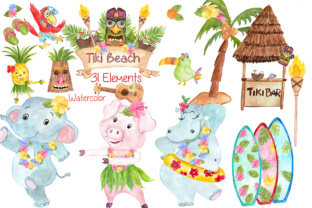
As a brand designer who has spent years helping local businesses establish their visual identity, I approach every new design asset with a mix of excitement and skepticism. When I first opened the Watercolor Hawaii Clipart collection, I immediately recognized its potential. This isn’t just a pile of pretty images; it is a cohesive set of Illustrations that speaks to a specific mood—one that is organic, warm, and distinctly tropical without feeling kitschy or overly touristy. For small business owners, boutique retailers, and handmade sellers, this graphic design asset offers a versatile foundation for building a strong brand identity.
In this review, I will walk you through how I evaluate these assets for real-world applications, from product packaging to social media marketing visuals. Whether you are launching a new skincare line, rebranding a local cafe, or creating seasonal promotional materials, understanding the practical value of these design assets is crucial for professional branding.
The Mood and Personality of Watercolor Hawaii Clipart
The first thing any designer looks at is the emotional resonance of an image. The Watercolor Hawaii Clipart set exudes a soft, hand-painted aesthetic that feels authentic and artisanal. Unlike flat vector graphics that can sometimes feel sterile, the watercolor texture adds depth and character. It suggests a brand personality that is friendly, approachable, and perhaps a bit rustic or bohemian.
This style works exceptionally well for businesses that want to convey quality and care. It fits seamlessly into niches such as:
- Handmade Soap & Skincare Brands: Where natural ingredients and gentle aesthetics are key.
- Boutique Florists: To complement fresh, organic flower arrangements.
- Coffee Roasters & Bakeries: Adding a touch of warmth and comfort to packaging.
- Home Decor Shops: Enhancing the cozy, inviting vibe of interior products.
By using these illustrations, you are not just decorating; you are signaling to your customer that your brand values craftsmanship and attention to detail. This subtle cue can significantly improve customer trust and create a stronger emotional connection before they even touch your product.
Real-World Applications in Packaging and Product Labels
One of the most critical touchpoints for any physical product is its packaging. In a crowded marketplace, shelf appeal is everything. I often use the Watercolor Hawaii Clipart to create distinctive product labels and packaging accents. Because the watercolor style has a natural flow, it breaks up rigid layouts beautifully, guiding the eye across the package in a pleasing manner.
For example, imagine a local honey producer or a boutique candle maker. By placing a delicate watercolor leaf or floral element on a kraft paper label, the product instantly looks more premium and thoughtful. These elements serve as decorative brand elements that enhance the overall visual hierarchy. They draw attention to the logo and product name without competing with them, ensuring that the essential information remains clear.
This asset is also excellent for creating hang tags and thank-you cards. Including a small, charming illustration from this set on a thank-you card left inside a package adds a memorable finishing touch. It transforms a simple transaction into a branded experience, encouraging repeat business and positive reviews. For small business branding, these small details often make the biggest difference in perceived value.
Extending the Brand to Digital and Promotional Materials
A modern brand must look consistent across both physical and digital spaces. The versatility of these clipart illustrations allows them to be easily adapted for social media graphics, website banners, and email newsletters. I frequently use high-resolution PNG designs from such sets to create engaging posts that stop the scroll.
For a local business running a summer campaign, these tropical-themed illustrations can be used to create festive promotional ads. They work beautifully as background textures for sale announcements or as borders for event flyers. If you are using tools like Canva, these design assets can be layered to create unique compositions that stand out from generic templates. This consistency helps build a recognizable visual identity that customers can associate with your brand instantly.
Furthermore, these illustrations are perfect for editorial design projects, such as lookbooks or catalogs. They add a layer of sophistication and artistry that elevates the entire presentation. Whether you are designing a menu for a beachside restaurant or a price list for a craft fair, incorporating these modern design elements ensures your materials look polished and professional.
Where to Use Carefully: Limitations and Best Practices
While the Watercolor Hawaii Clipart is highly adaptable, no single asset is suitable for every context. As a designer, I always advise clients to consider where these elements might detract rather than add value. There are specific scenarios where this style should be used with caution:
- Formal Corporate Branding: If your business operates in a strict, conservative industry (like law or finance), the whimsical nature of watercolor may undermine the seriousness of your brand.
- Very Small Labels: Intricate watercolor details can become muddy when scaled down too small. Always test your designs at actual print size.
- Crowded Layouts: Avoid placing these illustrations over busy backgrounds or next to dense blocks of text. They need breathing room to shine.
- Luxury Minimalist Brands: If your brand ethos is strictly minimalist and geometric, the organic, messy edges of watercolor might clash with your desired aesthetic.
Additionally, be mindful of contrast. Ensure that the colors in the illustrations pop against your chosen background. Low-contrast combinations can make the design look washed out and unprofessional.
Practical Designer Notes for Implementation
To get the most out of these design assets, I recommend following a few technical best practices. First, always check the file format. If you need to resize elements significantly without losing quality, look for SVG design options. However, for most printable design needs, high-resolution PNG designs with transparent backgrounds are sufficient and easier to work with in standard software.
Before finalizing any product mockup, print a test copy. Colors on screen rarely match print exactly, especially with watercolor tones. Preview the asset on small labels to ensure legibility and impact. You should also test how the illustrations interact with different typography styles. Pairing these organic shapes with a clean sans serif font creates a modern balance, while a script font can enhance the handmade feel.
Finally, never overlook the importance of commercial license verification. Ensure that you have the right to use these illustrations for commercial purposes, especially if you are selling physical products. Using assets without proper licensing can lead to legal issues and damage your reputation. Confirming that you have permission to use these marketing visuals in your web design, packaging design, and advertising campaigns is a non-negotiable step in professional branding.
In conclusion, the Watercolor Hawaii Clipart set is a powerful tool for creative entrepreneurs looking to elevate their small business branding. By applying it thoughtfully to packaging, digital content, and promotional materials, you can create a cohesive, attractive, and trustworthy brand presence that resonates with your target audience.