Yellow Daffodil Watercolor Flower Illustrations Review
As someone who has spent years curating digital assets for online shops, I approach every new graphic design asset with a mix of creative excitement and commercial skepticism. When I first encountered the Yellow Daffodil Watercolor Flower, my immediate thought wasn't just about its aesthetic appeal, but about its versatility as a commercial design tool. In the crowded world of Etsy products and print-on-demand platforms, a single illustration needs to do heavy lifting. It needs to stand out in a sea of thumbnails while remaining adaptable enough to fit into various product lines.
This review is based on a practical scenario: preparing a spring collection for a boutique digital download shop. The goal was to find an asset that could transition seamlessly from a printable wall art piece to a sublimation design for tumblers, and perhaps even serve as a core element in a larger design bundle. Here is how the Yellow Daffodil Watercolor Flower performed under real-world testing conditions.
First Impressions and Niche Appeal
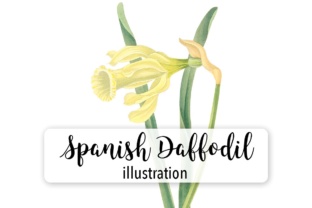
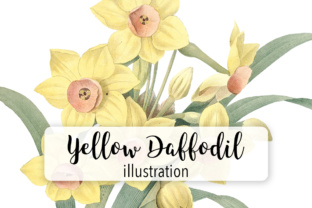
The visual personality of this watercolor flower is distinct. It leans towards a soft, feminine, and slightly rustic aesthetic, which is currently trending heavily in the home decor and wedding invitation niches. Unlike rigid vector graphics, the watercolor texture adds a layer of perceived value, suggesting a handmade quality that customers are willing to pay a premium for. However, it avoids being overly messy or abstract, maintaining enough clarity to be recognizable at small sizes.
For sellers targeting audiences interested in nursery prints, bridal showers, or spring-themed planners, this asset hits the right emotional notes. It feels fresh, uplifting, and organic. This makes it particularly effective for small business branding where a warm, approachable identity is desired. If your brand is more modern, minimalist, or bold, this might feel too delicate, but for those building a cozy, inviting storefront, it is a strong contender.
Product Application Scenarios
The true test of any digital product is its adaptability. I ran several tests to see how the Yellow Daffodil Watercolor Flower could be integrated into different product categories.
Printable Wall Art and Home Decor
This is arguably the strongest use case. The high-resolution potential of watercolor illustrations allows them to scale beautifully for large format prints. I tested placing the daffodil in a simple, elegant frame layout with serif typography. The result was a sophisticated piece that looked ready for a high-end boutique. It works well as a standalone focal point or when repeated in a pattern for a gallery wall set. Because the background is typically transparent or easily removable, it integrates cleanly into various color palettes.
Apparel and Sublimation
For t-shirt design and mug designs, the watercolor style offers a softer alternative to standard clipart. I applied the design to a mockup of a white ceramic mug and a heather grey t-shirt. On the mug, the yellow pops vibrantly against the white, creating a cheerful breakfast theme. On the t-shirt, it lends itself well to bohemian or cottagecore styles. It is important to note that for sublimation, the resolution must be checked thoroughly to avoid pixelation when stretched over curved surfaces like tumblers.
Digital Planners and Stickers
In the realm of digital planning, specifically for apps like GoodNotes, this illustration serves as an excellent decorative element. I used it as a header image for weekly spreads and as a standalone sticker for habit tracking. The watercolor edges blend naturally with other pastel elements. However, for tiny planner stickers, the detail level must be sufficient. If the petals lose definition when scaled down to 50 pixels, it may not render clearly on mobile screens.
Crafting and Cut Files
If you are selling SVG files for Cricut users, the conversion from raster watercolor to vector is crucial. A pure PNG cannot be cut by a Silhouette or Cricut machine without tracing. If this asset comes as an SVG, the cut lines need to be clean. For complex watercolor textures, it is often better to sell it as a PNG for printing rather than attempting to create intricate cut paths that might break during the cutting process. I found that using it as a printed decal for vinyl projects yielded the best results.
Visual Hierarchy and Listing Optimization
One of the most overlooked aspects of selling digital assets is the product mockup. A beautiful file means nothing if the listing image fails to attract clicks. The Yellow Daffodil Watercolor Flower is highly versatile for creating eye-catching thumbnails.
I created three variations of listing images:
- Minimalist White Background: Focused solely on the flower with ample negative space. This worked best for search-driven traffic looking for specific clipart.
- Lifestyle Mockup: Placed on a linen texture with dried flowers around it. This appealed to buyers looking for ready-to-use decor inspiration.
- Bundled Preview: Showed the daffodil alongside complementary greenery and text elements. This helped communicate the value of a design bundle.
The bright yellow color naturally draws the eye, improving click-through rates on marketplaces like Etsy and Creative Fabrica. It stands out against both light and dark backgrounds, provided there is sufficient contrast. When designing your own templates, ensure the yellow does not clash with text colors; pairing it with deep greens or navy blues creates a professional visual hierarchy.
Technical Considerations and Risks
Before publishing any illustrations for sale, rigorous technical checks are non-negotiable. Here are the critical steps I took with this asset:
- Resolution Check: I verified the DPI (dots per inch). For print products, 300 DPI is the standard. At 300 DPI, the watercolor bleed and texture remained crisp even when scaled up to 8x10 inches.
- Transparency Verification: For PNG designs, ensuring a perfectly clean alpha channel is vital. I placed the image over a checkerboard pattern and then over a solid black background to ensure no white halos remained around the petals.
- Color Profile: I converted the file from RGB to CMYK to simulate how it would look in physical printing. The yellow shifted slightly darker, which is normal, but it remained vibrant enough for commercial use.
- File Organization: I organized the final deliverables into clear folders: "High-Res PNG," "Low-Res Web PNG," and "Source Files" (if applicable). This reduces customer support inquiries and enhances the user experience.
Strategic Recommendations for Sellers
To maximize the utility of the Yellow Daffodil Watercolor Flower, consider these strategic moves:
Create Seasonal Bundles: Do not sell it in isolation. Pair it with matching leaves, stems, or complementary spring flowers to create a cohesive clipart pack. Bundles increase the average order value and provide more value to the buyer.
Expand Use Cases: Market the asset beyond just flowers. Suggest uses for packaging design for local bakeries, labels for homemade soaps, or social media graphics for lifestyle bloggers. Providing usage ideas helps customers visualize the product's potential.
Font Pairing Suggestions: Include a list of recommended fonts in your product description. Pair this soft watercolor style with elegant script fonts for invitations or clean sans-serif fonts for modern journals. This adds educational value and positions you as an expert.
Verify Commercial Licensing: Always double-check the license agreement. Ensure you have the right to use the asset in end-products that you sell. Some licenses restrict the number of physical items you can produce, while others allow unlimited digital downloads. Clarity here protects your business from legal issues.
Final Verdict
The Yellow Daffodil Watercolor Flower is a robust, versatile graphic design asset that holds significant commercial potential. Its soft aesthetic appeals to a broad demographic, from crafters to professional designers. By carefully testing it across various product types—from printable design sheets to sublimation design blanks—you can build a diverse inventory that capitalizes on seasonal trends.
While it requires attention to detail regarding resolution and licensing, the payoff in terms of customer trust and perceived value is substantial. For any seller looking to enhance their spring or floral collections, this illustration is a worthy addition to your toolkit. It bridges the gap between artistic expression and commercial viability, making it a smart investment for your creative enterprise.