Watercolor Wreath Clipart: A Versatile Illustration for Creative Projects
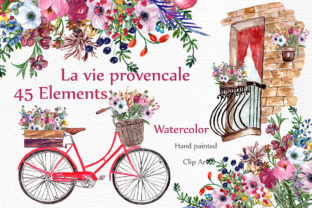
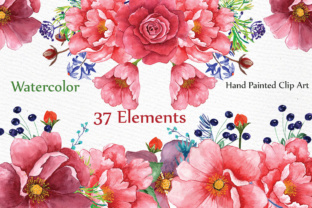
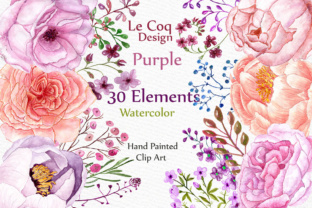
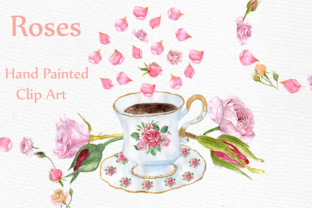
As a professional graphic designer with years of experience working on brand identities, packaging designs, and social media graphics, I always approach new design assets with a critical eye. Watercolor Wreath Clipart is no exception. When I first opened the file, I was struck by its softness and organic feel. The brushstrokes are visible, the colors blend gently, and there's an unmistakable hand-painted charm that immediately sets it apart from more rigid digital illustrations.
Aesthetic Mood and Style Fit
This illustration brings a warm, inviting mood to any project. It’s ideal for clients in the handmade, artisanal, or wellness industries—those who want their branding to feel natural, authentic, and personal. The watercolor technique evokes a sense of tradition while maintaining a modern sensibility, especially if the color palette is curated carefully. It works particularly well for seasonal campaigns, holiday promotions, and nature-themed content, where visual warmth and emotional appeal are key.
What I appreciate most about this asset is how it fits into a broader creative narrative. For example, when designing visuals for a small handmade candle business launching an autumn collection, the wreath adds a subtle layer of sophistication without overwhelming the message. It feels like part of a cohesive design language rather than just a decorative element.
Real-World Application in Branding and Packaging
In logo design or brand identity projects, Watercolor Wreath Clipart can serve as a supporting element. It’s not a primary icon but could be used behind a logotype or as a motif in branded patterns. For product labels and packaging design, the clipart introduces a tactile quality that printed goods often benefit from. Especially when paired with minimal text and earthy fonts, it helps communicate a brand’s commitment to craftsmanship and sustainability.
I’ve tested it in several mockups, including sticker design and t-shirt layouts. In both cases, the illustration stood out in a positive way—on cotton fabric, it softened the garment’s look and felt more approachable than a solid graphic. On stickers, it worked best when placed on white or cream backgrounds, allowing the watercolor texture to breathe.
Performance in Print and Digital Media
One of the things I check before recommending any design asset is its performance at different sizes. Watercolor Wreath Clipart holds up well in large layout areas such as posters, flyers, and invitations. The fine details remain clear, and the soft edges contribute to a polished finish. However, when scaled down to small sizes—like icons or corner accents—the brushstrokes can become muddy or lose clarity. Designers should use caution in these scenarios and consider simplifying the image or using a vector version if available.
For web design or blog visuals, the PNG format of the illustration proved to be clean and easy to integrate. Its transparency allows it to sit comfortably over gradients or textured backgrounds, making it suitable for hero sections, page headers, or decorative elements in editorial design. That said, it doesn’t perform as strongly in high-contrast environments or minimalist branding, where a more refined line drawing might be preferable.
Use in Commercial and Print-on-Demand Projects
If you're creating commercial design assets for print-on-demand or sublimation products, this illustration can add personality to your offerings. It pairs beautifully with script font styles or handwritten typography, enhancing the overall aesthetic of Etsy products, greeting cards, or even home decor items. As part of a design bundle, it can complement other botanical or seasonal illustrations, helping to build themed collections that resonate with niche audiences.
When preparing Canva templates or Cricut projects, I found the SVG version (if included) to be highly editable. This flexibility is essential for customizing the wreath to fit specific color schemes or compositions. It also ensures crisp output when cutting materials, which is crucial for sticker design or merchandise production.
Where to Use It Carefully
Despite its versatility, there are situations where Watercolor Wreath Clipart may not be the best choice. In corporate materials or formal marketing visuals, the loose style might clash with a more structured design approach. Similarly, in layouts with crowded visual hierarchy or complex backgrounds, the illustration can get lost or visually compete with other elements. Always preview it against the intended background and test it in black and white to ensure it maintains enough contrast and impact across all media types.
Designers aiming for a very clean, modern design should also evaluate whether the organic nature of this illustration supports the overall tone. While it can work in some contemporary contexts, especially when stylized or simplified, it may not align with ultra-minimalist aesthetics or technical presentations.
Visual Trust and Emotional Appeal
From a psychological standpoint, watercolor illustrations tend to evoke trust and familiarity. They’re perceived as less salesy and more genuine, which is perfect for boutique brands or local events looking to connect with their audience on a personal level. In social media posts or Instagram banners, the wreath can create a welcoming backdrop that encourages engagement, especially during holidays or special occasions.
However, for projects requiring a strong sense of professionalism or authority—such as financial services, legal branding, or high-tech startups—this asset may need to be used sparingly or in a more subdued manner. The goal is always to maintain visual trust through consistency, so pairing it with the right typefaces and layout structures is important.
Practical Designer Notes
- Test in Black and White: Before finalizing the use of Watercolor Wreath Clipart in a client project, convert it to grayscale to see if the value contrasts still work effectively.
- Check Contrast on Light and Dark Backgrounds: Ensure the illustration remains legible and impactful regardless of the background it’s placed on.
- Preview at Small and Large Sizes: Assess how the design holds up in different scales to avoid unintended distortion or loss of detail.
- Place on Real Mockups: Use tools like Adobe Illustrator or Photoshop to apply it to actual product mockups for a realistic evaluation.
- Test Print Quality: If it’s going to be used in physical products, print a sample to check for color accuracy and edge sharpness.
- Review File Formats: Confirm that the clipart includes high-quality PNG files and—if applicable—an editable SVG for scaling and customization.
- Inspect Transparency: Look closely at the PNG transparency to ensure it integrates smoothly with layered design elements.
- Compare with Type Styles: Try it with serif, sans serif, script, and display fonts to find the best typographic synergy.
- Confirm Commercial Licensing: Always verify the commercial license terms before using it in a client project or selling it as part of a design bundle.
Conclusion: A Useful Creative Asset for the Right Project
Watercolor Wreath Clipart is a valuable addition to any designer’s toolkit, especially those working with handmade businesses, seasonal campaigns, or creative marketplace projects. It enhances the visual mood of a design and contributes to a more polished and emotionally engaging outcome. But like any asset, it needs to be applied thoughtfully, considering the context and audience.
Whether you're crafting a printable wall art template for a client or building a set of Pinterest pins for a flower-based Etsy shop, this illustration has the potential to elevate your work. Just remember to balance its softness with clear visual hierarchy and ensure it complements—not competes with—your core message.
For those exploring digital product creation or print-on-demand solutions, this graphic design asset offers a fresh, artistic option that stands out in a sea of stock photos and flat vectors. It’s a great tool for adding depth and character to otherwise simple designs.