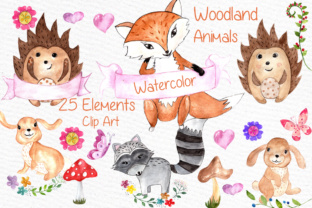
Watercolor Woodland Animals Clipart Review
As a designer who spends half the day staring at stitch density charts and the other half trying to convince clients that their logo works in 4x4 hoops, I approach every new asset with a healthy dose of skepticism. We all know the promise: Watercolor Woodland Animals Clipart sounds soft, whimsical, and perfect for nursery decor or boutique baby items. But does it translate? Can a digital illustration that relies on subtle gradients and loose brushstrokes survive the mechanical reality of an embroidery machine without turning into a muddy blob?
I recently put this design through its paces to see if it holds up for real-world application. Whether you are an Etsy seller looking for your next best-selling listing or a hobbyist preparing a personalized gift, understanding how Illustrations like this behave under the needle is crucial. Here is my practical breakdown of using Watercolor Woodland Animals Clipart in actual embroidery projects.
The First Impression: Mood and Visual Personality
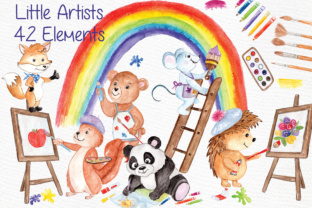
When you first load Watercolor Woodland Animals Clipart into your digitizing software, the immediate takeaway is the mood. It feels organic, gentle, and slightly rustic. Unlike rigid vector graphics that can look harsh or corporate when stitched, watercolor styles bring a sense of movement and fluidity. This makes it an excellent choice for products where emotional connection matters—think custom apparel for toddlers, handmade tote bags for craft fairs, or cozy sweatshirt embroidery for autumn-themed collections.
The visual personality here is playful but not chaotic. The shapes are distinct enough to be recognizable even when simplified by thread. For designers, this is a win. It means you don’t have to over-digitize to make the subject clear. The "watercolor" effect in the source file suggests that the final product should feel airy rather than heavy. However, keep in mind that this is fundamentally an Illustrations category asset, meaning its success depends entirely on how well the digitizer interprets those soft edges into solid stitches.
Real-World Application: Where It Shines
In my testing, Watercolor Woodland Animals Clipart performed best on larger surface areas where detail has room to breathe. Let’s look at a specific scenario: creating a custom embroidered patch for a denim jacket or adding a chest-level design to a unisex sweatshirt. In these contexts, the design shines because the viewer is close enough to appreciate the texture but far enough away that minor imperfections in the stitch work aren't glaringly obvious.
- Custom Apparel & Sweatshirts: When applied to cotton blends, the design adds a touch of artisanal flair. It elevates a basic garment into a handmade product that feels curated. The woodland theme pairs naturally with earthy tones like olive green, mustard yellow, or cream threads.
- Baby Embroidery & Nursery Decor: This is arguably the strongest use case. Parents love the soft aesthetic for onesies, burp cloths, and crib blankets. The gentle nature of the watercolor style translates well to baby embroidery, where safety and visual softness are priorities. It creates a personalized gift that feels special and thoughtful.
- Tote Bag Design & Craft Business Items: For Etsy sellers and small shop product creators, this design offers high perceived value. A tote bag featuring Watercolor Woodland Animals Clipart looks professional and trendy. It fits perfectly into the current market demand for nature-inspired, eco-friendly aesthetics.
The design also works well as part of a larger collection. If you are building a brand identity around nature or outdoor themes, having a versatile digital embroidery file like this allows you to create cohesive design assets across multiple product lines, from kitchen towels to pillow covers.
Where to Be Careful: Limitations and Risks
No design is universal, and Watercolor Woodland Animals Clipart has specific constraints that every embroiderer must respect. Ignoring these can lead to frustrating results and unhappy customers.
First, avoid using this design in very small hoop sizes. Watercolor effects rely on subtle transitions between colors and shades. If you scale it down too much, those transitions disappear, leaving behind large blocks of color that lose the artistic intent. Similarly, be cautious with textured fabrics. While linen or burlap might look great visually, the uneven surface can cause stitching issues, especially if the design includes fine details or tiny lettering.
Another area requiring caution is dark fabric. Watercolor art often uses light backgrounds or transparent layers. If you try to stitch this directly onto black or navy fabric without proper underlay or background filling, the design may look washed out or disconnected. You might need to add a white backing or adjust your thread colors significantly to maintain contrast.
Furthermore, consider the end-use of the product. If you are making an embroidered patch for a work uniform that will undergo frequent industrial washing, ensure the stitch density is high enough to prevent fraying. Delicate-looking designs can sometimes unravel if not stabilized correctly. Also, be mindful of stretchy fabric like jersey knits; without adequate stabilizer support, the watercolor-style fill stitches can pucker, distorting the animal shapes.
Practical Designer Notes for Execution
To get the most out of Watercolor Woodland Animals Clipart, follow these practical steps before committing to your final project:
- Test on Scrap Fabric: Always run a test stitch-out on the exact fabric you plan to use. This reveals how the stitch density interacts with the material and helps you spot potential puckering or tension issues early.
- Check Thread Color Contrast: Digital screens lie about color. Print a black-and-white mockup of your design to ensure there is enough contrast between elements. This is critical for maintaining clarity in complex areas.
- Inspect Small Details: Zoom in on the digitized file. Are the tiny details (like eyes or whiskers) legible? If they are too small, simplify them. A clean, bold design always looks more professional than a cluttered one.
- Use Proper Stabilizer: Depending on your fabric, choose between cut-away or tear-away stabilizers. For delicate items like holiday embroidery gifts on thin cotton, a lightweight tear-away might suffice, but for durable goods, a sturdy cut-away is safer.
- Confirm Licensing: Before selling any finished product or commercial embroidery items, double-check the license terms. Some Illustrations allow personal use only, while others permit commercial sales. Respecting intellectual property protects your business reputation.
Final Verdict
Watercolor Woodland Animals Clipart is a strong contender for designers seeking to add warmth and charm to their offerings. It bridges the gap between digital art and tactile craft beautifully, provided you respect its limitations regarding scale and fabric type. For creative entrepreneurs and makers looking to expand their inventory with high-quality, emotionally resonant designs, this asset delivers. Just remember: good digitization and careful execution are what turn a pretty picture into a sellable, durable embroidery project.