Watercolor Weather Embroidery Review
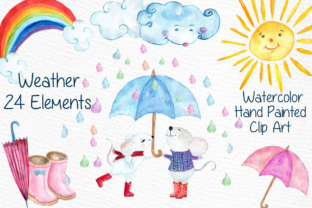
As a designer who spends half my life digitizing files and the other half troubleshooting tension issues on vintage machines, I don’t just look at an image; I look at how it will translate into thread. When I first pulled up Watercolor Weather Clipart Sun Clipart Clouds Clipart Rain Clipart, my immediate reaction was one of cautious optimism. The aesthetic is undeniably soft, trendy, and perfectly aligned with the current "cottagecore" and cozy minimalist vibes dominating platforms like Etsy and Pinterest. However, moving from a high-resolution digital illustration to a stitched reality requires more than just hope. It requires a practical assessment of how this specific design asset will perform when subjected to the mechanics of embroidery.
First Impressions and Visual Mood
The moment you load this file into your hoop design software, the mood is established. Unlike rigid geometric vector art that can feel cold or corporate, these weather elements carry a hand-painted warmth. The watercolor effect suggests fluidity, but in embroidery, we know that fluidity must be translated into structured stitches. The visual personality here is gentle and inviting. It doesn’t scream for attention; rather, it whispers comfort. This makes it an excellent candidate for projects where emotional connection is key, such as nursery decor, baby gifts, or personalized home goods.
For small business owners and crafters, the appeal lies in its versatility. A sun clipart element radiates positivity, while clouds and rain add a touch of whimsy or melancholy depending on the context. When combined, they create a narrative. You aren’t just stitching a weather pattern; you are stitching a feeling. For an Etsy seller looking to differentiate their shop, this type of illustrative quality stands out against the sea of basic clip-art fonts and simple icons. It feels curated, which increases the perceived value of the finished product.
Real-World Application: From Screen to Stitch
Let’s talk about real use cases. Imagine preparing a custom embroidered tote bag for a local artisan market. You want something that catches the eye but also feels timeless. Using Watercolor Weather Clipart Sun Clipart Clouds Clipart Rain Clipart on a canvas tote allows the texture of the fabric to interact with the simulated watercolor washes. If digitized correctly, the slight variations in tone can be achieved through different stitch directions or subtle color changes in the thread, creating depth that flat printing often lacks.
Consider a sweatshirt embroidery project for the fall season. A cloud and rain motif paired with a warm sun can represent the unpredictability of autumn weather. On a heavyweight cotton blend, this design holds its shape well, provided the underlay stitches are sufficient to prevent puckering. Similarly, for baby clothes, the soft edges implied by the watercolor style are forgiving. Babies’ skin is sensitive, and a design that looks soft visually often correlates with a smoother finish if the digitizer avoids excessive density in the outer borders.
I also see strong potential in kitchen textiles. An embroidered tea towel featuring these weather elements brings a cheerful, domestic charm to the kitchen counter. It transforms a utilitarian item into a decorative piece. For holiday gifts, a set of embroidered dish towels with varying weather motifs could make a memorable housewarming present. The design assets work beautifully in this context because they are neutral enough to fit any home decor style while adding a personal, handmade touch.
Where Caution Is Required
However, not every surface is created equal. There are specific scenarios where this design needs careful handling. First, consider the hoop size. If you attempt to stitch this design too small, the nuances of the watercolor effect will be lost. Tiny details in the cloud edges might merge into a solid blob, losing the artistic intent. Always test the design on scrap fabric first to ensure the smallest elements remain distinct.
Textured fabrics pose another challenge. While a linen tote bag offers a nice backdrop, a heavily textured bouclé sweater might hide the intricate details of the rain drops or sun rays. In such cases, the design might look muddy or indistinct. Thin or stretchy fabrics require extra care; without a proper stabilizer, the weight of the fill stitches could distort the fabric, warping the circular shape of the sun or the fluffy appearance of the clouds.
Dark fabrics present a contrast issue. Watercolor art relies on light and shadow. On a black t-shirt, the lighter tones of the sun and clouds may not pop unless you use a heavy white underlay or choose high-contrast thread colors. This can increase the stitch count and stiffness of the final product, which might be undesirable for wearable apparel. Additionally, curved surfaces like caps can distort the layout. What looks balanced on a flat screen might stretch unevenly on the curve of a hat brim, so always preview the design in a 3D mockup if possible.
Technical Considerations for the Designer
When evaluating this machine embroidery design, pay close attention to the stitch density. Watercolor styles often use many short stitches to simulate color blending. If the density is too high, the fabric will become stiff and unbreathable, especially on items like aprons or pillow covers that need to remain soft. Conversely, if the density is too low, the base fabric may show through, ruining the illusion of a painted image.
Thread color selection is critical. To maintain the watercolor aesthetic, avoid overly bright, synthetic-looking threads. Opt for muted, pastel, or heathered threads that mimic the look of diluted paint. The interplay between the thread colors and the background fabric will determine the success of the project. Testing in black and white mockups can help you assess the value contrast before committing to expensive specialty threads.
Don’t forget the structural integrity. Whether you are using a satin stitch for outlines or a fill stitch for the main bodies, ensure there is adequate underlay to anchor the stitches. This prevents shifting during washing, which is crucial for commercial products that need to withstand frequent laundering. For personalized gifts, durability is part of the promise; a design that frays or fades quickly damages your reputation as a maker.
Final Verdict for Makers and Sellers
Watercolor Weather Clipart Sun Clipart Clouds Clipart Rain Clipart is a versatile and emotionally resonant asset for any creative entrepreneur. It bridges the gap between digital artistry and tactile craftsmanship. Its strength lies in its ability to evoke a sense of calm and whimsy, making it ideal for home goods, apparel, and gifts. However, its success depends entirely on execution. By respecting the limitations of fabric and machine mechanics, and by testing thoroughly, you can transform this digital illustration into a stunning finished product.
For those running a craft business or selling on Etsy, this design offers a high perceived value with relatively straightforward production. Just remember to check licensing terms carefully. Ensure you have the right to sell physical items made from these designs, and clarify any restrictions on digital resale. With proper planning and attention to detail, this weather-themed collection can become a staple in your design library, bringing joy to customers and consistency to your brand.