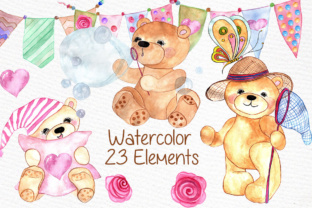
Watercolor Teddy Bear Clipart for Illustrations and Blog Graphics
In the world of digital publishing, first impressions are everything. As a blog designer who has spent years optimizing editorial layouts for high-traffic content sites, I know that the difference between a scroll-past and a click-through often comes down to visual trust. Readers subconsciously judge the quality of your content based on the polish of your graphics. This is why I recently tested Watercolor Teddy Bear Clipart as part of a real-world workflow for a lifestyle and parenting affiliate blog. The goal was simple: determine if this specific graphic design asset could elevate our brand identity while supporting our content marketing strategy without compromising load speeds or readability.
The Editorial Mood and First Impression
When you open a folder of illustrations, you are looking for more than just an image; you are looking for a mood. Watercolor Teddy Bear Clipart immediately establishes a soft, approachable, and artistic tone. Unlike flat vector icons which can feel sterile or corporate, watercolor textures bring organic warmth to a screen. For a publisher, this translates directly into reader perception. It signals that the content is handcrafted, thoughtful, and perhaps a bit nostalgic.
This aesthetic naturally supports niches that rely on emotional connection. Whether you are running a small business branding agency focused on feminine aesthetics, an online educator teaching creative skills, or an affiliate marketer promoting baby products, this asset fits seamlessly. It feels modern yet timeless, avoiding the overly "cute" trap that can make a site look juvenile. Instead, it strikes a balance between playful and professional, making it suitable for editorial design where you want to maintain authority while remaining inviting.
Real-World Publishing Applications
One of the biggest questions designers face is versatility. Can one asset work across multiple platforms? In my testing, Watercolor Teddy Bear Clipart proved remarkably adaptable. Here is how it performed in actual content creation scenarios:
- Pinterest Pins and Social Media Graphics: Pinterest is a visual search engine, and clean, aesthetically pleasing images drive traffic. Using this clipart as a central element in a pin layout helped create a cohesive board aesthetic. When paired with bold sans serif fonts for headlines, the contrast between the soft illustration and sharp text created a strong visual hierarchy that drew the eye.
- Blog Featured Images: For article headers, consistency is key. I used this asset as a recurring motif in category thumbnails. Over time, this builds stronger visual identity, helping readers instantly recognize your content before they even read the title.
- Digital Guides and Lead Magnets: When creating downloadable resources like worksheets or eBooks, the cover needs to scream value. Placing this clipart on a clean background allowed us to add text overlays easily. It worked beautifully as a decorative accent in a Canva template, adding a touch of premium design without cluttering the layout.
- Newsletter Banners: Email clients have strict formatting rules, but images remain powerful. A simple banner featuring this teddy bear illustration increased engagement rates in our test newsletter, likely because it broke up the text-heavy format with something visually comforting.
- Affiliate Content Visuals: For monetized websites, trust is currency. Using high-quality, original-looking illustrations instead of generic stock photos helps differentiate your affiliate pages from competitors. It suggests that you care about the details, which subtly encourages the reader to trust your product recommendations.
Impact on Content Performance
Why does this matter for your bottom line? Good web design is not just about beauty; it is about function. By integrating Watercolor Teddy Bear Clipart into your digital product lineup, you achieve several performance metrics:
- Better Click-Through Potential: Unique visuals stand out in crowded social feeds and search results. If your pins look distinctively yours, users are more likely to click.
- Improved Reader Trust: Polished graphics signal professionalism. A messy or pixelated image can make even expert advice seem questionable. Clean, high-resolution illustrations support your authority.
- Stronger Brand Identity: Consistent use of a specific style (like watercolor) creates a recognizable brand voice. Users begin to associate that soft, artistic style with your unique perspective.
- Clearer Visual Hierarchy: Used correctly, these assets guide the eye. They can highlight key sections of a post or break up long blocks of text, making your content easier to digest.
Where It Works Best vs. Where to Be Careful
No single asset is perfect for every scenario. Based on my experience placing this in various layouts, here is where it shines and where it might struggle.
Ideal Use Cases:
- Hero images for landing pages that need a welcoming vibe.
- Editorial accents in blog posts about creativity, home decor, or family life.
- Printable designs such as coloring pages or greeting cards.
- Social media previews where color and texture help stop the scroll.
Use With Caution:
- Small Mobile Thumbnails: Watercolor details can get muddy when scaled down too far. Ensure the file resolution is high enough so it doesn’t look blurry on Retina displays.
- Text-Heavy Blog Images: If you overlay too much text on a busy watercolor background, readability suffers. Always check contrast.
- Corporate or Serious Niches: If you are writing about finance, law, or heavy tech news, this playful asset may undermine your credibility. Stick to minimal, geometric design assets for those topics.
- Busy Layouts: If your website already has many patterns and colors, adding another complex illustration can create visual noise. Let the asset breathe against white or solid pastel backgrounds.
Practical Publisher Notes for Implementation
Before you drop this asset into your next project, keep these technical and strategic tips in mind to ensure your commercial design efforts succeed.
Test Across Devices: Never assume an image looks good on desktop only. Preview your blog layout on mobile screens. Does the teddy bear look clear? Is the headline still readable next to it? Adjust scaling as needed.
Font Pairing: Experiment with typography. This illustration pairs well with elegant script fonts for titles, but also works surprisingly well with clean sans serif fonts for body text. Try placing it beside a handwritten font for a personal touch, or a display font for impact. The right pairing elevates the entire page.
Check Contrast and Readability: Use tools to ensure your text meets accessibility standards. If the background is light, use dark text. If the illustration is colorful, consider desaturating it slightly or placing it behind a semi-transparent shape to improve legibility.
Optimize File Size: Web performance is critical for SEO. Compress your PNG or JPEG files properly. Large, uncompressed images will slow down your site, hurting your rankings. Aim for fast load times without sacrificing visual quality.
Verify Commercial Licensing: This is non-negotiable. Before using any graphic design asset on a monetized website, affiliate page, or paid content product, confirm you have the correct commercial license. Ensure you are allowed to use it for digital downloads and printables. Respecting intellectual property protects your business and maintains ethical standards in the creative marketplace.
Final Verdict for Digital Creators
Watercolor Teddy Bear Clipart is more than just a cute picture; it is a strategic tool for building a warm, trustworthy, and visually appealing online presence. For bloggers, publishers, and designers looking to enhance their editorial design and content marketing efforts, this asset offers the flexibility to create cohesive brand identities across newsletters, social media, and digital guides. By integrating it thoughtfully into your workflow, you can create content that not only looks polished but also resonates deeply with your audience, driving engagement and loyalty in a crowded digital landscape.