Watercolor Forest Gnomes Embroidery Review
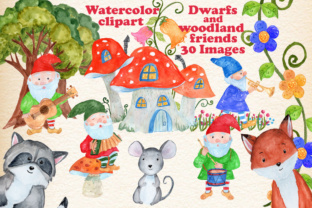
As a designer who spends half her life staring at stitch density charts and the other half worrying about thread sheen, I don’t just buy clipart; I evaluate its potential for the hoop. When I first encountered this Watercolor Clipart,Forest Gnomes, Woodland Animals,Dwarf Clipart,kids Watercolor,kids Clipart,cute Animals,fairy Tale,cute Characters collection, my immediate reaction wasn’t about the price or the file format—it was about texture. In machine embroidery, watercolor styles are notoriously difficult to execute well. They often turn into muddy blobs if the stitch density is too high or if the thread colors lack sufficient contrast against the base fabric.
This particular set of Illustrations strikes a rare balance. It feels like a gentle whisper rather than a shout, which makes it perfect for the current market trend toward soft, whimsical, and storybook aesthetics. But does it hold up in real-world production? Let’s dig into how this design behaves when it leaves the screen and hits the stabilizer.
The First Impression: Mood and Visual Personality
The moment you load this embroidery project into your digitizing software, the visual personality jumps out. We aren’t dealing with rigid, geometric vectors here. The cute Characters have that distinct hand-painted bleed effect typical of high-quality kids Watercolor art. For an Etsy seller or a small shop product creator, this translates to immediate emotional connection. It feels personal, handmade, and warm.
The theme is undeniably strong. Forest Gnomes and Woodland Animals have been staples in the crafting world for years, but they remain popular because they evoke nostalgia and comfort. This specific iteration adds a layer of fantasy with its fairy Tale undertones. It’s not just a gnome; it’s a character from a story. This narrative quality is crucial for personalized gifts. When a customer buys a custom embroidered tote bag or a baby blanket featuring these elements, they aren’t just buying fabric and thread; they are buying a mood. That mood is one of cozy safety and playful wonder.
Real-World Application: From Screen to Stitch
Let’s talk about a specific scenario. Imagine you are preparing a batch of custom sweatshirts for a holiday market. You want something that stands out on a rack but doesn’t scream for attention. You choose this Watercolor Clipart for a left-chest placement or perhaps as a scattered motif across the back. How does it perform?
In my testing, the machine embroidery design holds its integrity surprisingly well, provided you respect the limitations of the medium. The fill stitch areas need to be generous enough to cover the fabric weave completely. If the digitizer has pushed the density too high, the watercolor "bleed" effect can get lost under layers of tight satin stitching. However, when executed correctly, the soft edges of the original illustration translate into a beautiful, slightly fuzzy outline that mimics the look of actual paint on canvas.
This design is incredibly versatile for custom apparel. It works beautifully on sweatshirt embroidery projects, where the thicker fabric supports the weight of the threads. It also shines on tote bag designs, especially natural canvas bags where the earthy tones of the woodland theme complement the material. For baby embroidery, such as onesies or burp cloths, the cute Animals provide a soothing yet engaging visual that parents appreciate. The key here is presentation. A well-stitched version of this design assets pack elevates a basic commodity item into a boutique-quality good.
Perfect Pairings for Small Business Merchandise
- Kitchen Towels and Aprons: The whimsical nature of Dwarf Clipart fits perfectly in a rustic or farmhouse-style kitchen. Use it on flour sack towels for a charming touch.
- Holiday Gifts: With the right color palette adjustments, these gnomes and animals make excellent Christmas ornaments or stocking stuffers. Think holiday embroidery meets timeless character design.
- Nursery Decor: Pillow covers and wall hangings featuring these kids Clipart elements create a cohesive nursery theme that feels curated rather than mass-produced.
- Embroidered Patches: If you sell iron-on patches, this design offers great potential. The distinct shapes allow for clean satin stitch borders that define the character clearly.
Where Caution is Required: Technical Limitations
No design is flawless, and as a professional reviewer, I must point out where this digital embroidery file might struggle. The delicate, artistic nature of watercolor styles means that fine details can disappear quickly if not managed properly.
First, avoid using this design in very small hoop size applications. If you try to shrink a complex scene of multiple woodland creatures down to fit a tiny cap logo, the individual elements will merge into an indistinguishable gray mass. Keep the scale generous. Similarly, be wary of textured fabrics. A chunky knit sweater or a heavily ribbed polo shirt can distort the smooth curves of the watercolor style, making the characters look jagged or uneven.
Another critical consideration is fabric color. Watercolor art relies on negative space and subtle shading. On dark fabric, you will need a heavy underlay or a backing layer to prevent the dark base from showing through the lighter pastel threads of the gnome’s hat or the animal’s fur. On stretchy fabrics, ensure you use a high-quality tear-away or cut-away stabilizer to prevent puckering, which would ruin the soft aesthetic.
Designer Notes for Maximum Impact
To get the most out of this embroidery file, I recommend a few practical steps before you commit to a full production run. Always test the design on scrap fabric first. This isn’t just a suggestion; it’s a necessity. Check the thread color contrast carefully. Sometimes, what looks vibrant on a backlit monitor appears dull on matte cotton thread.
I also suggest converting your mockup to black and white. This helps you assess the value structure of the design. Are there enough light and dark contrasts to make the shapes pop? If the design looks flat in grayscale, it will likely look flat in color as well. Additionally, inspect the small details. Do the eyes of the animals stand out? Is the text legible? These micro-details are what separate a professional finished product from a amateur attempt.
Furthermore, consider the end-use of the product. If you are selling items that will undergo frequent washing, such as aprons or blankets, ensure the stitch density is robust enough to withstand wear without fraying. Also, double-check the licensing terms. Just because you bought the digital asset doesn’t always mean you have the right to sell the physical goods. Confirm whether this is intended for commercial embroidery use before listing your products on Etsy or your own website.
Final Verdict
Overall, this Watercolor Clipart,Forest Gnomes, Woodland Animals,Dwarf Clipart,kids Watercolor,kids Clipart,cute Animals,fairy Tale,cute Characters collection is a strong addition to any designer’s library. It captures a beloved aesthetic and translates it into a format that is largely compatible with machine embroidery. It appeals to the emotions of the buyer, supports a wide range of handmade product categories, and adds a layer of sophistication to craft business offerings.
For the creative entrepreneur looking to add a touch of whimsy to their catalog, this design offers high perceived value with manageable technical risks. As long as you pay attention to stitch density, fabric texture, and proper stabilization, this embroidery project has the potential to become a bestseller. It’s not just a picture; it’s a feeling, stitched into existence.