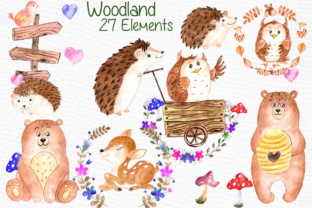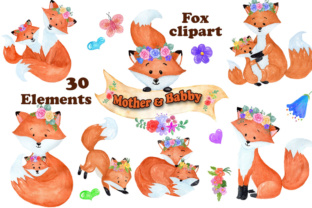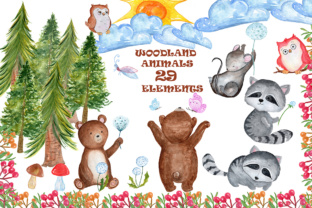
Watercolor Forest Animal Clipart
As a designer who spends half my life staring at digitized files and the other half watching needles punch through fabric, I have learned to trust my gut before I ever load a hoop. When you are looking at a digital asset like Watercolor Forest Animal Clipart, you aren't just buying an image; you are buying the potential for a finished product that needs to survive real-world wear and tear. This review breaks down how this specific illustration performs when translated from a screen to stitch, focusing on practical application for craft business owners, Etsy sellers, and serious hobbyists.
The First Impression: Mood and Visual Personality
The immediate draw of Watercolor Forest Animal Clipart is its softness. Unlike rigid vector graphics that can look harsh or overly geometric when enlarged, watercolor textures bring a sense of organic movement. For an embroidery project, this translates to a design that feels approachable, whimsical, and premium. The visual personality here leans heavily toward the cozy and the natural. It evokes feelings of woodland walks, nursery decor, and quiet afternoons.
From a design perspective, the layout likely balances negative space with intricate detail. This is crucial because embroidery relies on contrast. If the original illustration is too muddy or lacks clear definition between elements, the stitching process can become a nightmare of overlapping threads. However, the watercolor style often provides enough color blocking to guide the eye, making it easier for a digitizer—or even a direct-to-needle machine—to determine where one element ends and another begins. It feels right at home in projects that require a touch of elegance without being stiff.
Real-World Application: Where Does It Shine?
I recently considered using a similar watercolor forest theme for a custom order involving a canvas tote bag and a set of matching kitchen towels. Here is how Watercolor Forest Animal Clipart fits into those scenarios:
- Custom Apparel and Sweatshirts: When placed on the chest of a crewneck sweatshirt, this design offers a perfect balance. It isn’t so large that it overwhelms the garment, nor so small that it gets lost. The soft edges of the watercolor style mimic the texture of knit fabrics, creating a harmonious look. It works exceptionally well as sweatshirt embroidery for autumn collections or holiday gifts.
- Baby and Nursery Items: The gentle aesthetic is ideal for baby embroidery. Think onesies, burp cloths, or crib mobile attachments. Parents want designs that feel safe, soft, and timeless. This clipart delivers that emotional connection instantly. It elevates a simple white onesie into a boutique-quality gift.
- Home Decor and Textiles: For pillow covers or tea towels, the design allows for larger placements. You can utilize the full width of a standard hoop to showcase the details. On linen or cotton tea towels, the contrast between the thread and the fabric will highlight the "wet" look of the watercolor effect, making the animals pop.
- Embroidered Patches: If converted into an embroidered patch, the watercolor style requires careful handling. A satin-stitched border can frame the soft interior beautifully, giving it a professional finish suitable for backpacks or denim jackets.
Technical Considerations and Stitching Clarity
Translating digital art to physical thread is where many projects fail. With Watercolor Forest Animal Clipart, the primary challenge is maintaining clarity while preserving the artistic intent. Watercolor relies on gradients and subtle shifts in hue. Embroidery, conversely, relies on solid blocks of color and texture.
To make this work, you must pay close attention to stitch density. If the fill stitches are too dense, the fabric may pucker, ruining the delicate nature of the design. If they are too sparse, the underlying fabric shows through, breaking the illusion of the watercolor paint. Using a combination of fill stitch for the main bodies and running stitch or applique design techniques for fine details can help bridge this gap.
Thread color selection is paramount. You cannot simply pick colors that match the screen exactly. Screen light is emissive; thread is reflective. You need to choose high-quality polyester or rayon threads that mimic the saturation of the digital file. Test your thread colors against your actual fabric. A pastel pink animal might look vibrant on a monitor but appear washed out on white cotton if the thread quality is low.
When to Use Caution
Not every surface is created equal. While this design is versatile, there are specific situations where you should proceed with care:
- Small Hoop Sizes: If you attempt to stitch this in a very small hoop (under 4x4 inches), the fine details of the watercolor texture may disappear. The animals might look like blurry blobs rather than distinct creatures. Ensure your hoop size allows for adequate resolution.
- Textured and Stretchy Fabrics: Avoid using this on heavy bouclé wool or highly stretchy jersey knits unless you use a strong stabilizer. The irregular surface of textured fabric can distort the smooth lines of the clipart, making the animals look warped. Similarly, stretchy fabrics require a backing that prevents distortion during the stitching process.
- Dark Fabric Backgrounds: Light-colored watercolor tones (whites, pale yellows, soft greens) will vanish on dark fabrics. You would need to use a contrasting underlay or a different color palette entirely, which changes the mood of the design significantly.
- Frequent Washing: For items like kitchen towels or tote bag design elements that see heavy use, ensure the design is anchored properly. Loose threads can snag. A good stabilizer choice is non-negotiable here to maintain integrity over time.
Impact on Product Value and Brand Consistency
In the world of handmade goods, presentation is everything. A well-executed embroidery project signals professionalism and care. Using Watercolor Forest Animal Clipart can enhance the perceived value of your handmade product. Customers associate the watercolor style with artistry and uniqueness. It suggests that the item was made with thoughtfulness, not just mass-produced.
For commercial embroidery projects, consistency is key. If you are building a brand around nature-inspired themes, this clipart fits seamlessly into a larger collection. It pairs well with botanical elements, trees, and earthy tones. When creating printable mockups for your online store, ensure the lighting in your photos reflects the softness of the design. Harsh flash photography can flatten the watercolor effect, making the product look cheaper than it is.
Practical Designer Notes Before You Stitch
Before you commit to a full production run or a personal gift, follow these steps to ensure success:
- Test on Scrap Fabric: Always run a test stitch on the exact fabric you plan to use. Check for puckering, thread tension issues, and color accuracy.
- Check Stitch Density: Review the digitizing file if available. Look for areas where stitches might overlap excessively. Adjust the density settings in your machine software if necessary.
- Inspect Small Details: Zoom in on the digital file. Are the ears, eyes, and tails distinct? If the details are too tiny, consider simplifying the design or increasing the overall size.
- Black and White Mockup: Convert the design to grayscale to check contrast. If the values are too similar, the design will lack depth once stitched.
- Confirm Licensing: This is critical for Etsy sellers and small shop products. Verify whether you have the right to sell finished items made from this digital embroidery file. Some licenses restrict commercial use, while others allow it with attribution.
Ultimately, Watercolor Forest Animal Clipart is a strong candidate for designers looking to add a touch of whimsy and warmth to their portfolio. It bridges the gap between digital art and tactile craft effectively, provided you respect the technical limitations of embroidery. By planning carefully and testing thoroughly, you can create finished products that delight customers and stand the test of time.