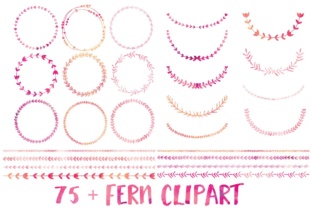
Watercolor Fern Clip Art: A Natural Fit for Creative Illustrations
As a professional graphic designer with years of experience in branding, packaging, and digital marketing visuals, I recently came across the Watercolor Fern Clip Art while working on a visual concept for a new handmade wellness brand. The project required soft, organic elements that could blend into both print-on-demand products and social media graphics without feeling out of place. This asset immediately caught my eye—not just for its aesthetic charm but for its potential to elevate the overall design direction. Let’s dive into how this illustration can serve as a valuable addition to your creative design toolkit.
Ethnic Elegance and Organic Mood
The Watercolor Fern Clip Art brings an earthy, hand-painted feel that aligns perfectly with modern design trends leaning toward authenticity and natural aesthetics. Its subtle textures and gentle color transitions give it a vintage-inspired yet contemporary look. This makes it ideal for clients seeking a handmade business vibe—especially those in the wellness, botanical, or lifestyle niches.
I found the fern's form to be fluid and expressive, with each leaf appearing uniquely detailed. It doesn’t scream for attention, which is a big plus when designing for brand identity or editorial layouts where subtlety enhances the message. The mood it creates is calming, fresh, and nature-forward—perfect for supporting themes like self-care, sustainability, or seasonal campaigns such as spring promotions or Earth Day content.
Performance in Real-World Design Applications
In logo design, the fern works well as a supporting element rather than the focal point. It adds a touch of botanical sophistication without overwhelming the mark. For product labels and packaging design, it helps create a cohesive theme that speaks to eco-conscious consumers. When layered behind text or other graphics, it subtly reinforces the brand’s personality.
On posters and flyers, the Watercolor Fern Clip Art shines as a decorative accent or hero graphic. It pairs beautifully with serif and script fonts, offering a contrast between structured typography and organic illustration. In Cricut projects and sticker designs, the fern’s delicate lines translate well into small formats, especially if you choose the SVG file type for clean scalability.
For t-shirt design, mug prints, and tote bag graphics, the fern’s soft edges and muted tones make it a versatile choice. It can either stand alone as a minimalist motif or be part of a larger design bundle featuring complementary botanical illustrations. On Pinterest pins and Instagram posts, it adds a layer of visual interest that encourages audience engagement—particularly in lifestyle or craft-related niches.
Best Uses for Watercolor Fern Clip Art
- Large layout areas: The fern looks stunning as a background element in web design or printable wall art.
- Hero graphics: Ideal for feature banners or landing page headers in Canva templates that require a soft, inviting tone.
- Product mockups: Adds a natural flourish to product shots for Etsy shops or online product launches.
- Decorative accents: Works great as a border or corner element in invitations, greeting cards, or editorial spreads.
- Themed collections: Fits seamlessly into seasonal campaign visuals or curated sets of botanical illustrations.
- Packaging details: Offers a refined texture for label designs or wrapping paper patterns.
- Printable designs: Translates well into downloadable resources for bloggers or digital sellers looking to add a personal touch.
- Social media posts: Enhances Instagram carousels or Pinterest boards by adding depth and character.
Where to Use It Carefully
- Small sizes: Due to its intricate watercolor brushstrokes, the fern may lose clarity at very small resolutions. Always preview at scale before finalizing for use in icons or buttons.
- Crowded layouts: Avoid placing multiple ferns in tight spaces unless they are stylized and simplified. Too much detail can muddy the visual hierarchy.
- Complex backgrounds: The fern’s transparency (if available in PNG format) allows for some flexibility, but it performs best over solid or gradient fields rather than busy textures.
- Low-contrast designs: If using a light-toned version, ensure there’s enough contrast against surrounding elements to maintain readability and visual impact.
- Minimalist branding: While the fern is elegant, it may not suit ultra-minimal brands that prioritize geometric precision or monochrome palettes.
- Professional corporate materials: Opt for more structured illustrations in boardroom-style presentations or formal reports. The fern feels better suited for boutique or artisanal contexts.
Impact on Branding and Visual Communication
When used thoughtfully, the Watercolor Fern Clip Art contributes positively to the emotional appeal of a design. It evokes feelings of growth, renewal, and connection to nature—qualities many brands aim to communicate through their visual language. In terms of brand consistency, it blends well with other botanical motifs, helping to build a recognizable pattern across packaging, social media, and even sublimation design applications.
However, it’s important to balance the fern with other design assets to avoid inconsistency. Pair it with clean sans serif fonts for a modern take or with handwritten scripts for a more personal, artisanal feel. Either way, it should support the brand voice rather than overshadow it.
Practical Designer Notes for Commercial Use
Before integrating the Watercolor Fern Clip Art into a client project, I recommend several checks to ensure it meets the needs of the design and adheres to commercial standards:
- Test in black and white: See how it holds up in grayscale—this is crucial for print work or monochrome merchandise.
- Check contrast: Place the fern on both light and dark backgrounds to evaluate visibility and legibility.
- Preview at different sizes: Ensure it remains clear and usable whether scaled down for a button or stretched across a poster.
- Place on real mockups: Try it on actual product mockups to gauge how it looks in context and how it might affect the user experience.
- Test print quality: Especially important if planning to use it in physical products like stickers or apparel. Look for crisp edges and consistent color rendering.
- Review file formats: Confirm availability in PNG and SVG. PNGs offer transparency for overlay use, while SVGs allow for easy editing and scaling.
- Compare with font styles: Test it alongside serif, sans serif, script, and display fonts to find the most harmonious pairing for your project’s visual style.
- Confirm commercial licensing: Always verify that the clipart has proper commercial license coverage, especially if using it in marketing visuals, logos, or for resale in a creative marketplace.
Emotional Appeal and Audience Engagement
Botanical illustrations like the Watercolor Fern have strong emotional resonance, particularly with audiences who value aesthetics rooted in nature. As a designer, I know how important it is to connect visually with the target demographic. This fern does exactly that—it invites warmth and creativity into any project, making it especially effective for content creators and bloggers in the lifestyle or wellness space.
Its presence in a design can subtly influence perception, making a product feel more handcrafted or a website more approachable. That kind of visual trust is invaluable in today’s market, where authenticity often drives consumer decisions.
Why It Belongs in Your Design Assets Library
While the Watercolor Fern Clip Art isn’t a one-size-fits-all solution, it excels in specific design scenarios. Whether you're crafting a creative design for a local event, enhancing the visual mood of a boutique product line, or building a themed collection for a print-on-demand seller, this illustration provides a natural bridge between digital and tangible experiences.
Its adaptability makes it a standout among graphic design assets. You can use it as-is or tweak it in vector editors for custom variations. The key is knowing when and how to apply it effectively within your design workflow.
If you’re working on a commercial design project and want to infuse a sense of calm and craftsmanship, the Watercolor Fern Clip Art is worth considering. Just remember to pair it with intention and test it thoroughly before locking in your client deliverables.