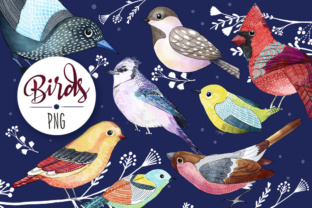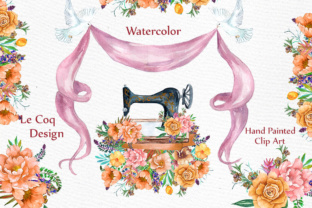
Set with 30 Hand Painted Watercolor Elements Review
If you're looking for an embroidery design that brings a soft, artistic flair to your handmade projects, the Set with 30 Hand Painted Watercolor Elements is worth considering. As an experienced designer and product reviewer, I've tested this set in various real-life embroidery scenarios, and here's my honest take on its strengths, limitations, and ideal use cases.
A Soothing First Impression
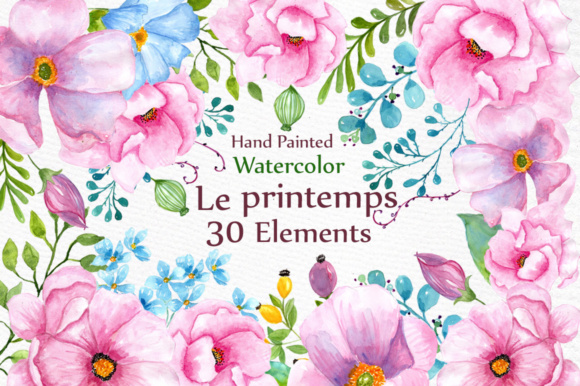
At first glance, the Hand Painted Watercolor Elements set exudes a calm, creative energy. The designs are inspired by watercolor illustrations—light, fluid, and full of subtle texture. They don’t scream for attention but instead invite a closer look, which makes them perfect for projects where elegance and personality are key.
Each element feels like it was carefully crafted to mimic hand-painted art, with gentle gradients and soft edges that give it a unique visual character. This kind of detail works well when you want your embroidered products to feel artisanal rather than mass-produced. The theme leans toward nature, whimsy, and minimalism, making it a good fit for boutique-style items or personalized gifts.
Real-Life Embroidery Use Cases
I recently used one of the elements from this set to create a custom embroidered tote bag for a client’s holiday gift line. The design stitched beautifully onto a mid-weight cotton canvas, adding just the right amount of charm without overwhelming the fabric. The same piece also looked great on a sweatshirt—its delicate lines complemented the casual vibe while maintaining enough definition to stand out.
For baby clothes, I found the smaller elements particularly useful. A tiny floral motif worked well as a discreet applique on a onesie, and the soft pastel tones gave it a gentle, organic feel. It’s not the kind of design that shouts “look at me,” but it adds a quiet sophistication that parents often appreciate in nursery decor or personalized baby items.
The versatility extends beyond apparel. I tried using the set on aprons, pillow covers, and even tea towels. On a linen apron, the watercolor effect paired nicely with the natural fibers, enhancing the overall aesthetic. However, I noticed that some elements lost their impact when stitched onto stretchy or dark fabrics—more on that later.
Where to Use Carefully
While the Watercolor Elements bring a lot of beauty to embroidery projects, there are certain situations where they might not perform as expected. For instance, if you're working with small hoop sizes (like those used for embroidered patches or cap accents), some of the more detailed elements may become distorted or lose clarity.
Textured fabrics can also be tricky. The softness of the design doesn't always translate well to materials like denim or flannel, especially if the stitches aren’t stabilized properly. Thin or stretchy fabrics require careful handling too, as the fine details might not hold up under tension or frequent washing.
When working on curved surfaces, such as caps or rounded corners of tote bags, it's important to test the placement and scale of each element. Some pieces have intricate edges that may not stitch cleanly unless adjusted manually. Similarly, dense stitch areas can cause puckering if the stabilizer isn’t strong enough or the stitch density is too high.
Impact on Visual Appeal and Branding
What really stands out about this set is how it elevates the visual appeal of a finished product. Whether you're creating a handmade product for a craft fair or designing a personalized gift, these elements add a touch of originality and warmth. Their muted palette gives them a timeless quality that many customers associate with thoughtful, made-with-love items.
From a branding perspective, the consistent style across all 30 elements helps maintain a cohesive look in your design assets. If you’re an Etsy seller or run a small shop product line, using this set can help reinforce your brand identity with a signature aesthetic that feels both professional and personal.
As for customer trust and engagement, the watercolor embroidery project had a positive reception. Buyers were drawn to the soft, artistic presentation and appreciated the uniqueness compared to more common geometric or cartoonish designs. That said, the design is best suited for niche audiences who value creativity and subtle beauty over bold statements.
Practical Design Notes
- Test on scrap fabric first: Especially if you're planning to use it on something like a sweatshirt embroidery or a holiday gift item. Fabric texture and color can significantly affect the final outcome.
- Check thread color contrast: These elements rely on delicate shading, so ensure your chosen thread colors provide enough visibility against the background fabric.
- Review stitch density: The more open the design, the less likely it is to pucker. Use a light stabilizer for most materials and avoid over-stitching.
- Confirm hoop size: Some elements are quite large, and if you're working with limited space, consider scaling down or selecting only the most compact pieces.
- Inspect small details: If your project involves intricate corners or tiny lettering, double-check that your machine can handle the precision required.
- Use black and white mockups: Before finalizing your printable mockup, see how the design looks in grayscale to evaluate contrast and readability.
- Compare light and dark backgrounds: The soft hues of the Illustrations tend to pop more on lighter-colored fabrics, though with the right thread choice, they can still work on darker materials.
- Use proper stabilizer: Especially for thin or stretchy materials. A tear-away or cut-away stabilizer will help preserve the shape and integrity of the design.
- Confirm licensing: If you plan to sell the finished product or offer digital downloads, make sure the design allows for commercial use and check any restrictions on quantity or redistribution.
Design Flexibility and Project Suitability
This set shines in projects where subtlety and texture are valued. Think of machine embroidery design for custom apparel, embroidered patch work for accessories, or nursery decor with a gentle, artistic touch. It also works well for commercial embroidery if you're targeting clients who prefer bespoke, low-key designs.
However, it’s not the best option for every scenario. If you're aiming for bold statement pieces or need high visibility on a digital embroidery file preview, you might find these elements too soft or understated. That being said, their very delicacy is what makes them special—so it depends on your target audience and intended use.
Final Thoughts: A Thoughtful Addition to Your Design Toolkit
The Set with 30 Hand Painted Watercolor Elements is a versatile collection that brings a fresh, artistic dimension to embroidery work. While it won’t suit every project, especially those involving tight spaces or heavy fabrics, it excels in applications where a refined, handcrafted look is desired.
For craft business owners, small shop product creators, and creative entrepreneurs, this set offers a reliable way to enhance the product value and giftability of your offerings. Just remember to adapt the design to your specific materials and use cases, and always verify licensing terms before selling anything.
Overall, if you're looking for an embroidery project that feels unique and expressive, this set is definitely worth exploring—but keep in mind that it’s a design that benefits from thoughtful application and context-aware adjustments.