Easter Lamb Watercolor Embroidery Review
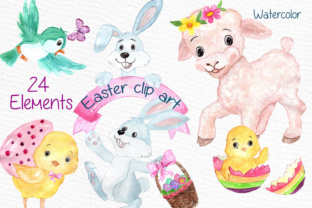
As an embroidery designer who spends half my life staring at stitch density charts and the other half trying to convince clients that "watercolor" looks good on fabric, I approach every new design file with a healthy dose of skepticism. When Watercolor Easter Kids Clipart Watercolor Lamb Clipart Easter Egss Easter Basket Flowers Clipart landed in my inbox, I didn’t just see a cute image; I saw a potential production challenge waiting to happen. The prompt is long, but the visual promise is clear: soft, painterly aesthetics applied to traditional machine stitching. This review breaks down whether this illustration actually holds up when translated from screen to hoop, specifically for those of us running small shops or crafting high-end personalized gifts.
The First Impression: Mood and Visual Personality
The moment you open the file, the mood is immediately established as gentle, nostalgic, and distinctly spring-like. Unlike the bold, graphic lines often found in modern digital art, this design leans heavily into the Illustrations category’s softer side. It captures the essence of a pastel-filled nursery without tipping into cloying sweetness. The lamb, the eggs, and the basket are arranged in a way that suggests a story rather than just a collection of icons. For a designer, this narrative quality is crucial. It means the design isn’t just a logo; it’s a scene.
Visually, the watercolor effect gives the piece a textured, organic feel. In the digital realm, this translates to blended edges and subtle color shifts. My immediate reaction was that this would look stunning on natural fibers. The artistic personality here is quiet confidence—it doesn’t need to shout to be noticed. It invites the viewer to lean in closer, which is exactly what you want in a handmade product. Whether you are creating a boutique brand or a personal gift, this aesthetic bridges the gap between traditional craftsmanship and contemporary art trends.
Real-World Application: From Screen to Stitch
Let’s talk about where this design truly shines. I envision this machine embroidery design performing exceptionally well on custom apparel like heavyweight cotton sweatshirts or structured tote bags. The softness of the watercolor style contrasts beautifully with the rougher texture of canvas or the cozy nap of fleece. Imagine a baby onesie featuring the lamb motif; the gentle curves mimic the softness of the garment itself, creating a cohesive tactile experience for the recipient.
For the Etsy seller or craft business owner, this design offers versatility. It fits seamlessly into holiday embroidery collections, particularly around Easter and springtime. It works equally well as a decorative accent on aprons or kitchen towels, adding a touch of whimsy to functional items. I also see strong potential for nursery decor pieces, such as pillow covers or wall hangings, where the artistic flair can take center stage without competing with busy patterns. The design assets provided are robust enough to serve as the focal point of a commercial embroidery project, allowing you to build a cohesive line of products around a single, strong theme.
Stitch Density and Clarity Challenges
However, we must address the elephant in the room: watercolor effects are notoriously difficult to replicate perfectly in thread. While the digital preview shows smooth gradients, your machine will interpret these through satin stitch, fill stitch, and running stitch. The success of this project hinges on how well the digitizer has managed the transition between colors. If the stitch density is too high, the fabric may pucker, ruining the delicate watercolor illusion. If it is too low, the design may look sparse and lose its painterly depth.
I recommend testing the embroidery file on scrap fabric before committing to a final product. Pay close attention to the small details—the petals of the flowers and the contours of the lamb’s face. These areas are where clarity is most likely to break down. If the details become muddy blobs after stitching, you may need to simplify the design or adjust the thread colors to enhance contrast. This is not a flaw in the design itself, but a reality of the medium. Understanding these limitations allows you to manage customer expectations and ensure a professional finished product.
Strategic Placement and Fabric Choices
Not all fabrics are created equal, and this design demands respect in that regard. Avoid using this on stretchy knits unless you have excellent stabilizer support, as the distortion can warp the watercolor effect. Similarly, dark fabrics can swallow the pastel tones, making the design appear dull. Instead, opt for light-colored linens, creams, whites, or soft pastels. These backgrounds allow the subtle hues of the lamb and eggs to pop while maintaining the airy, light feeling of the original artwork.
When considering hoop size, ensure the design fits comfortably within your standard hoops if you plan to add text or borders. A common mistake is placing a large, detailed design on a small area like a cap front or a hat brim. Curved surfaces can distort the perspective of the watercolor elements, making the lamb look stretched or squashed. For best results, use this on flat, stable surfaces like tote bags, sweatshirt chests, or baby blankets. This ensures the integrity of the applique design elements (if applicable) remains intact and visually pleasing.
Commercial Viability and Brand Consistency
For those selling handmade products, the perceived value of this design is high. The artistic nature of the clipart elevates the item from a mass-produced commodity to a curated, boutique-style good. Customers are willing to pay more for items that feel unique and thoughtfully designed. This digital embroidery file can help establish a consistent brand identity, especially if you pair it with complementary fonts and packaging materials that match the soft, springtime palette.
Consider the emotional impact on the buyer. A personalized gift featuring this lamb motif carries warmth and care. It resonates with parents looking for special keepsakes or individuals seeking comfort in their home decor. By ensuring the stitching is clean and the thread colors are vibrant, you build trust with your customers. They associate the quality of the embroidery with the quality of your brand. This is particularly important for custom apparel and personalized gifts, where the emotional connection drives repeat business.
Practical Designer Notes for Success
- Test on Scrap: Always run a test stitch on the exact fabric you plan to use. Check for puckering, thread breaks, and color accuracy.
- Check Contrast: Use a black-and-white mockup to ensure the shapes remain distinct even without color. This helps identify any weak areas in the design’s structure.
- Stabilizer Matters: Use a high-quality cut-away stabilizer for woven fabrics and a tear-away for non-wovens to prevent shifting during the dense fill stitches.
- Thread Selection: Choose threads that match the digital preview closely. Polyester threads often offer better sheen and durability than cotton for this type of detailed work.
- Licensing: Before listing any small shop product on platforms like Etsy, confirm the licensing terms. Ensure you have the right to sell finished goods made from this design asset.
In conclusion, Watercolor Easter Kids Clipart Watercolor Lamb Clipart Easter Egss Easter Basket Flowers Clipart is a beautiful addition to any designer’s library, provided you respect the technical nuances of embroidery. It rewards careful execution with a result that feels both timeless and trendy. For the experienced maker, it offers a chance to showcase skill and creativity, resulting in a finished product that stands out in a crowded market. Approach it with patience, test thoroughly, and let the artistry shine through the thread.